

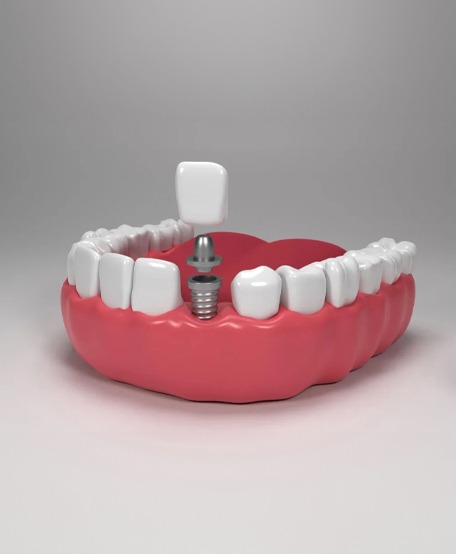
Dental implants have become a widely accepted solution for replacing missing teeth due to their stability and long-term integration with the jawbone. One of the most common questions people ask before undergoing this procedure is: How long does it take for dental implants to heal? Understanding the stages of healing, what influences recovery, and how the process unfolds can provide realistic expectations while supporting informed decisions.
What is the typical healing time for dental implants?
Healing after dental implant treatment varies between individuals. On average, full recovery can take between three to six months. This period allows the bone and gum tissue to integrate with the implant in a process called osseointegration.
However, this timeline is not fixed. Healing time depends on numerous factors, including the patient’s health, oral hygiene habits, and whether additional procedures—like bone grafting—were necessary. While soft tissue healing may occur within a couple of weeks, the internal integration with the jawbone takes longer.
What are the stages of dental implant healing?
The healing journey unfolds across distinct stages. Below is a general outline of the process:
Immediate Phase (First 24–72 Hours)
- Mild swelling, tenderness, and minor bleeding are common.
- The body initiates its natural healing response.
- Patients are typically advised to avoid disturbing the area.
Early Healing (Week 1–2)
- The gums begin to close around the implant.
- Sutures, if used, may be removed or dissolve on their own.
- Discomfort generally subsides during this phase.
Initial Osseointegration (Weeks 2–6)
- The surrounding bone tissue begins bonding with the implant.
- Gums continue to stabilise.
- Regular check-ups help monitor healing progress.
Final Osseointegration (3–6 Months)
- Bone integration deepens, securing the implant in place.
- This process is vital for long-term function and stability.
- The implant may then be ready to support a crown or prosthetic tooth.
Which factors affect dental implant recovery time?
Healing durations vary due to both biological and procedural factors. Below are the most common influences:
- Overall health: Conditions such as diabetes or immune disorders can affect tissue regeneration.
- Jawbone quality: Dense, healthy bone promotes faster osseointegration.
- Number of implants placed: Multiple implants may require longer healing.
- Bone grafting: If grafts were needed, additional time is required for the graft to heal and integrate.
- Lifestyle choices: Smoking or poor oral hygiene can delay healing or increase complication risk.
- Position of implant: Implants in the upper jaw may take longer to integrate than those in the lower jaw.
What should you expect during each healing phase?
To support patients with a clear understanding, here is an easy-to-follow table outlining general expectations:
Table: Dental Implant Healing Stages and Expected Changes
| Healing Stage | Estimated Duration | Expected Healing Activity |
| Post-Surgical Response | 1–3 Days | Mild swelling and bleeding; soft tissue begins to repair |
| Early Gum Healing | 1–2 Weeks | Gums close around the implant site; possible removal of sutures |
| Bone Integration Begins | 2–6 Weeks | Implant begins stabilising in jawbone; inflammation subsides |
| Deep Osseointegration | 3–6 Months | Bone fuses with implant; stability strengthens |
| Restoration Placement | After 3–6 Months | Dental prosthetic attached once implant stability is confirmed |
Note: This timeline is a general guide. Always follow the advice of your dental professional.
How can patients support healing after dental implants?
Good post-operative care plays a vital role in successful recovery. Patients are typically encouraged to:
- Maintain excellent oral hygiene while avoiding direct brushing on the surgical site in the initial days.
- Follow the prescribed medication schedule as instructed.
- Avoid smoking and alcohol during the healing period.
- Eat soft foods and avoid hot or spicy meals initially.
- Attend scheduled follow-up appointments to monitor progress.
Each of these actions supports both soft tissue healing and bone integration, helping reduce the risk of complications and delays.
What happens if bone grafting was done before implant placement?
In some cases, patients may require a bone graft to enhance jawbone density. When this is needed, the healing process begins even before the implant is placed.
- Bone graft healing typically takes 3–6 months before implants can be positioned.
- Once the grafted area stabilises, the implant surgery is scheduled.
- This adds additional healing time but is essential for long-term implant success in cases of bone loss.
Why does healing vary between individuals?
While it’s natural to want definitive answers, the truth is that implant healing is unique to every patient. Factors such as immune response, oral bacteria levels, daily habits, and biological age contribute to individual outcomes. Healing is not a race, and taking the necessary time ensures a healthier long-term result.
Can you speed up the implant healing process?
There are no shortcuts to biological healing. Attempting to “speed up” recovery is not recommended. Instead, patients should focus on:
- Rest and adequate hydration
- Following the clinical care instructions
- Keeping scheduled check-ups for professional monitoring
- Not rushing the placement of the prosthetic tooth until stability is confirmed
The implant must be fully integrated before loading it with chewing forces. Patience leads to more stable outcomes.
Is it normal for healing to take longer than expected?
In some instances, healing may take longer than average. This does not necessarily mean the implant will fail. Some common reasons include:
- Bone quality or density issues
- Inflammatory response or gum complications
- Slight movements during early osseointegration
- Co-existing health conditions
In all such cases, the implant will be carefully monitored by the dental team, and timelines may be adjusted accordingly.
Looking for safe and supportive care during your implant journey?
At Ferny Hills Dental, we understand that every patient’s implant experience is unique. We focus on tailored care that respects your individual healing pace and ensures each step is clinically supported. Our experienced team offers a calm, welcoming environment where patients are fully informed about every stage of their treatment. If you’re considering dental implants or are already in the process, we’re here to guide you through the healing process with professionalism, clarity, and compassion.
You deserve dental care that’s not rushed, but instead built on trust, safety, and education. Let Ferny Hills Dental help you navigate your implant healing journey—one step at a time.
Frequently Asked Questions
- How long does it take for a dental implant to fully heal?
Typically, full healing including bone integration takes 3 to 6 months, but the timeline can vary depending on health and individual factors.
- Can I brush my teeth after getting dental implants?
Yes, but you should avoid brushing directly on the implant site during the first few days and follow your dental professional’s advice closely.
- Is swelling and discomfort normal after implant surgery?
Yes. Mild swelling, discomfort, and even minor bleeding are common within the first 72 hours after surgery.
- What foods should I eat during the healing period?
Soft, non-spicy, and non-acidic foods are usually recommended, particularly in the first week after surgery.
- When can I return to work after implant surgery?
Many people return to work within a day or two, but this depends on how you feel and the nature of your job.
- How do I know when my implant is ready for the crown?
Your dentist will assess the integration through clinical checks and imaging to confirm that the bone has stabilised the implant sufficiently.
Research & Reference Section
The information provided in this article has been reviewed using credible Australian and international resources:
- Australian Dental Association: https://www.ada.org.au
- Better Health Victoria – Dental implants: https://www.betterhealth.vic.gov.au
- SA Health – Post-op care: https://www.sahealth.sa.gov.au
Disclaimer
All dental procedures involve potential risks and benefits. The information provided in this blog is general in nature and should not be taken as medical advice. We recommend that you seek guidance from a suitably qualified health professional before making decisions about your oral health. Where appropriate, you may also wish to consider obtaining a second opinion.
Any images or videos featured are shared with the informed consent of our patients and are intended for educational purposes only. They are not a guarantee of results, as every patient is unique. Treatment outcomes — including recovery, potential complications, and effectiveness — can vary from person to person.


