

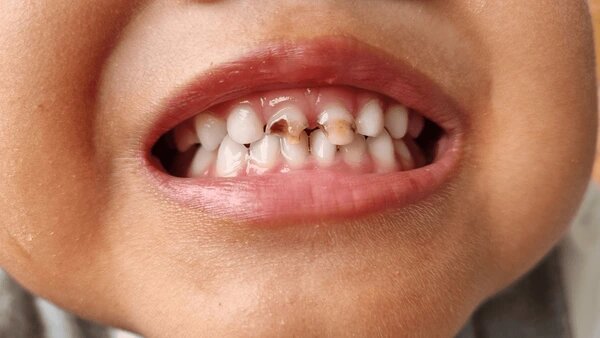
You brush your teeth, rinse, and get on with your day. Everything feels normal. Then suddenly you notice a sharp twinge when you sip something cold or bite into something sweet. It can feel confusing because nothing dramatic has happened. In many cases, this shift is linked to the early stages of the tooth decay process.
Tooth decay, also known as dental caries, does not usually appear overnight. It develops gradually through enamel demineralisation caused by bacterial plaque and repeated acid attack on enamel. Understanding how cavity formation begins can help you protect your oral health long before discomfort starts.
What Exactly Is Tooth Decay?
Tooth decay is the progressive breakdown of tooth enamel and underlying dentine caused by acids produced by oral bacteria. These bacteria feed on sugars and fermentable carbohydrates, producing acids that weaken the tooth surface.
The process generally follows this sequence:
- Plaque accumulation on the tooth surface
- Acid production after sugar intake
- Enamel demineralisation
- Surface breakdown
- Dentine involvement
- Possible pulp inflammation
Dental cavities form when this damage progresses beyond the body’s natural ability to remineralise the enamel.
Tooth enamel damage is not just about brushing habits. It is influenced by several key attributes:
- Plaque accumulation levels
- Frequency of sugar intake
- Saliva flow rate
- Fluoride exposure
- Oral hygiene routine
- Dietary habits
- Medical conditions affecting saliva
- Age related risk factors
Each of these factors contributes to how quickly enamel breakdown occurs.
How Does Sugar Contribute to Enamel Demineralisation?
Sugars and fermentable carbohydrates are the primary fuel source for oral bacteria. When these bacteria digest sugars, they release acids. This acid attack on enamel can begin within minutes of consumption.
Frequent exposure to:
- Soft drinks
- Sweetened beverages
- Lollies
- Processed snacks
- Acidic beverages
increases the time teeth remain in an acidic environment.
Saliva normally acts as a natural defence. It helps neutralise acids and supports remineralisation. However, reduced saliva flow due to dry mouth risk, medications, or certain health conditions can increase susceptibility to dental cavities.
What Are the Early Signs of Tooth Decay?
Early enamel demineralisation may appear as white spot lesions on enamel. These areas indicate mineral loss but may not cause symptoms initially.
As decay progresses, people may notice:
- Sensitivity to hot or cold
- Mild discomfort when eating sweets
- Rough patches on tooth enamel
- Visible dark spots
- Food trapping between teeth
Understanding the stages helps explain how decay develops.
Stages of Tooth Decay
| Stage | Description | Possible Symptoms | Clinical Management Approach |
|---|---|---|---|
| Early Demineralisation | White spot lesions on enamel | Usually none | Monitoring and fluoride support |
| Enamel Decay | Surface breakdown begins | Mild sensitivity | Restoration if progressed |
| Dentine Involvement | Decay reaches softer inner layer | Increased sensitivity | Filling required |
| Pulp Involvement | Infection of inner tissue | Pain, swelling | Root canal or extraction |
Early identification allows for preventive dentistry measures before deeper damage occurs.
How Do Daily Habits Influence Cavity Formation?
Tooth decay is often linked to lifestyle patterns rather than isolated events.
Common contributing factors include:
- Inadequate brushing and flossing
- Frequent snacking between meals
- Poor fluoride exposure
- Deep grooves in molars that trap plaque
- Orthodontic appliances increasing plaque retention
- Sugary diet impact
- Acidic drink consumption
Brushing removes bacterial plaque, while flossing disrupts plaque buildup between teeth where toothbrush bristles cannot reach.
Fluoride protection supports enamel strength and assists in reversing early enamel demineralisation.
Why Does Saliva Matter So Much?
Saliva plays a vital protective role. It:
- Neutralises acids
- Washes away food particles
- Provides minerals for remineralisation
- Supports oral tissue health
When saliva flow rate decreases, acid attacks last longer. Conditions such as dry mouth risk, certain medications, and dehydration can increase vulnerability to dental caries.
Maintaining hydration and discussing persistent dryness with a professional dentist supports overall oral bacteria balance.
Can Tooth Decay Be Prevented?
While tooth decay is common, preventive dentistry focuses on reducing risk factors.
Practical prevention strategies include:
- Brushing twice daily with fluoride toothpaste
- Flossing daily
- Limiting sugary snacks and drinks
- Attending regular dental assessments
- Professional fluoride applications where appropriate
- Monitoring early decay signs
Even small changes in frequency of sugar intake can reduce acid exposure time.
What Happens If Tooth Decay Is Left Untreated?
If cavity formation progresses without intervention, dentine involvement occurs. This softer layer breaks down more quickly, leading to:
- Increased sensitivity
- Pain when chewing
- Pulp inflammation
- Dental infection symptoms
- Potential abscess formation
At advanced stages, restorative dentistry may involve root canal therapy or extraction.
Early identification supports simpler restorative dental treatment such as a dental filling rather than more complex procedures.
How Does Professional Assessment Help?
A clinical assessment evaluates:
- Extent of enamel breakdown
- Location of decay
- Impact on tooth structure
- Presence of pulp involvement
- Overall oral hygiene routine
Early detection of white spot lesions can allow for monitoring and supportive care rather than immediate restoration.
Understanding your personal risk factors such as saliva protection levels, dietary habits, and plaque buildup patterns enables tailored advice.
Why Consider Ferny Hills Dental for Preventive Care?
At Ferny Hills Dental, preventive dentistry is approached with a long term perspective. Assessments focus on identifying early enamel demineralisation, evaluating saliva protection, and addressing plaque accumulation before cavity formation becomes advanced.
Patients receive clear explanations about the tooth decay process, including the role of oral bacteria, sugar frequency, and fluoride exposure. Rather than focusing only on treatment, attention is placed on supporting sustainable oral hygiene routines and dietary awareness.
Whether addressing early white spot lesions or managing more established dental cavities, the goal is to preserve natural tooth structure and maintain long term oral health.
Important FAQs
Q1. Can early tooth decay be reversed?
Early enamel demineralisation may be managed with fluoride support and improved oral hygiene before a cavity forms.
Q2. Does sugar always cause cavities?
Sugar contributes to acid production by oral bacteria. Frequency of intake plays a significant role.
Q3. How often should teeth be checked for decay?
Regular dental assessments allow for monitoring of early decay signs and preventive care.
Q4. Is tooth decay only a problem for children?
No. Adults can experience dental caries, particularly if saliva flow decreases or diet changes.
Q5. Why do some people get cavities more easily?
Factors such as saliva flow rate, dietary habits, fluoride exposure, and plaque accumulation influence individual risk.
Q6. Can dry mouth increase the risk of decay?
Yes. Reduced saliva flow decreases natural acid neutralisation and remineralisation support.
References
- Australian Dental Association
https://www.ada.org.au - Healthdirect Australia
https://www.healthdirect.gov.au - Better Health Channel Victoria
https://www.betterhealth.vic.gov.au - Australian Institute of Health and Welfare Oral Health Data
https://www.aihw.gov.au/reports/dental-oral-health/oral-health-and-dental-care-in-australia
Disclaimer
All dental procedures involve potential risks and benefits. The information provided in this blog is general in nature and should not be taken as medical advice. We recommend that you seek guidance from a suitably qualified health professional before making decisions about your oral health. Where appropriate, you may also wish to consider obtaining a second opinion.
Any images or videos featured are shared with the informed consent of our patients and are intended for educational purposes only. They are not a guarantee of results, as every patient is unique. Treatment outcomes — including recovery, potential complications, and effectiveness — can vary from person to person.


