

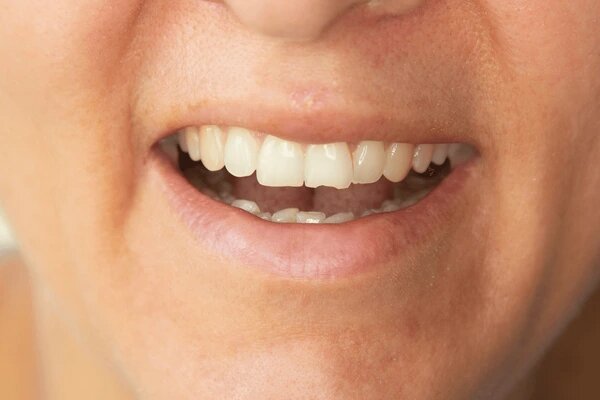
It often happens when you least expect it. You bite into something firm, slip on a step, or knock your tooth on a coffee mug. Suddenly your tongue keeps finding a rough edge that was never there before. A chipped tooth might seem minor at first, but even a small enamel fracture can feel uncomfortable and unsettling.
Beyond appearance, a chipped tooth can expose the inner layers of the tooth structure, increasing the risk of tooth sensitivity, bacterial plaque accumulation, and further enamel damage. The good news is that modern restorative dentistry offers several dental restoration options to manage everything from a minor tooth crack to a fractured incisal edge.
Understanding what to do next can make all the difference.
What Actually Happens When a Tooth Chips?
A chipped tooth is a form of tooth trauma. It can involve:
- A minor enamel fracture
- A cracked front tooth
- A broken molar treatment scenario
- A small chip on the incisal edge
- A larger fracture affecting dentine or pulp
The outer layer of the tooth, known as enamel, is strong but not indestructible. When enamel demineralisation or physical trauma occurs, part of that structure can break away. If the fracture extends deeper, it may affect the dentine or even involve pulp inflammation.
Key attributes that determine treatment include:
- Extent of fracture depth
- Location of the damaged tooth
- Presence of pulp involvement
- Sensitivity to temperature
- Risk of infection
- Bite alignment impact
- Aesthetic considerations
- Patient age and overall oral health status
A thorough dental assessment allows for a tailored plan that preserves as much natural tooth structure as possible.
When Is a Chipped Tooth an Emergency?
Not every chipped tooth requires urgent dental care, but certain signs mean you should seek an emergency dentist assessment promptly:
- Persistent tooth sensitivity after trauma
- Sharp pain when chewing
- Swelling around the affected tooth
- Visible dentine exposure
- Signs of infection
If pulp involvement occurs, treatment may need to address the inner tissues of the tooth to prevent a dental abscess or more complex restorative dentistry procedures.
Even when there is no pain, early review helps protect long term oral health.
What Are the Most Common Treatment Options?
Treatment depends on the severity of the enamel fracture and structural compromise.
Common treatment pathways include:
- Smoothing and polishing minor chips
- Composite bonding for small to moderate chips
- Porcelain veneer placement for suitable cosmetic cases
- Dental crown placement for larger fractures
- Root canal treatment if pulp is affected
- Monitoring small enamel fractures
Below is a comparison overview.
Chipped Tooth Treatment Overview
| Treatment Option | Suitable For | Main Purpose | Clinical Considerations |
|---|---|---|---|
| Smoothing and Polishing | Very minor enamel chips | Reduce roughness | No structural rebuild |
| Composite Bonding | Small to moderate chips | Restore shape and function | May require maintenance |
| Veneer | Front teeth aesthetic concerns | Improve appearance and coverage | Not suitable for all cases |
| Crown | Large fractures or weak tooth | Full structural protection | Requires tooth preparation |
| Root Canal and Crown | Pulp involvement | Remove infection and restore | Multi stage procedure |
Composite bonding uses tooth coloured material to rebuild the missing section. It blends with the surrounding enamel and is often suitable for cosmetic tooth repair of a cracked front tooth.
A porcelain restoration such as a veneer may be considered where aesthetic and structural reinforcement is required.
A dental crown placement covers the entire visible portion of the tooth when a broken molar treatment requires full structural support.
How Does Composite Bonding Compare to Crowns?
Patients often ask about crown vs bonding.
Composite bonding:
- Preserves more natural tooth structure
- Is suitable for minor to moderate damage
- Can restore shape quickly
- May require maintenance over time
Dental crown placement:
- Provides full coverage
- Protects weakened teeth
- Suitable for larger fractures
- Involves more preparation
The decision depends on fracture depth, bite forces, and overall tooth condition.
Can a Chipped Tooth Cause Sensitivity?
Yes. When enamel is compromised, the underlying dentine can become exposed. This may lead to sensitivity to temperature or pressure.
If pulp inflammation occurs, symptoms may include:
- Throbbing discomfort
- Increased temperature sensitivity
- Pain when biting
Prompt management reduces the risk of infection and protects the long term strength of the tooth structure.
What Happens If a Chipped Tooth Is Left Untreated?
Leaving a chipped tooth untreated may result in:
- Progressive enamel damage
- Bacterial plaque accumulation
- Cavity formation
- Tooth decay process acceleration
- Increased fracture risk
- Bite misalignment
Even a minor tooth crack can become more complex over time. Early restoration supports tooth structure preservation and reduces future treatment needs.
How Can You Protect a Tooth After It Chips?
While waiting for a dental appointment:
- Avoid chewing on the affected side
- Maintain gentle oral hygiene
- Avoid extreme temperatures if sensitivity is present
- Monitor for swelling or discomfort
These measures help minimise irritation but do not replace professional care.
Why Is Early Assessment So Important?
Timely assessment allows for:
- Accurate evaluation of enamel fracture depth
- Identification of pulp involvement
- Prevention of infection
- Selection of appropriate dental restoration options
- Long term tooth structure preservation
Modern restorative dentistry focuses on preserving natural tissue wherever possible. Early intervention often allows for more conservative treatment such as composite bonding rather than full coverage restoration.
Why Consider Ferny Hills Dental for Chipped Tooth Care?
At Ferny Hills Dental, every chipped tooth management plan is carefully assessed with attention to function, appearance, and long term oral health. Whether it involves composite bonding, porcelain restoration, or dental crown placement, treatment is tailored to the individual rather than a one size fits all approach.
Our dentist team prioritises tooth structure preservation, thorough assessment of pulp involvement, and careful bite alignment review. Patients are guided through available dental restoration options in a calm and informative manner, ensuring they understand suitability, maintenance expectations, and recovery considerations.
For those experiencing tooth sensitivity after trauma or unsure about the severity of a minor tooth crack, an early review can help prevent complications and support confident decision making.
Important FAQs
Q1. Can a chipped tooth repair itself?
No. Enamel does not regenerate. Professional restoration is required if structural rebuilding is needed.
Q2. Is composite bonding permanent?
Composite bonding can last many years but may require maintenance depending on bite forces and oral hygiene habits.
Q3. Does a chipped tooth always hurt?
Not always. Minor enamel fractures may be painless, but deeper cracks can cause sensitivity.
Q4. Can a chipped tooth lead to tooth decay?
Yes. Exposed dentine increases the risk of bacterial plaque accumulation and cavity formation.
Q5. How soon should I see a dentist after chipping a tooth?
Ideally as soon as possible, especially if sensitivity, swelling, or pain develops.
Q6. Will a crown always be necessary for a chipped tooth?
No. Many minor to moderate chips can be managed with composite bonding or conservative restoration.
References
- Australian Dental Association https://www.ada.org.au
- Healthdirect Australia https://www.healthdirect.gov.au
- Better Health Channel Victoria https://www.betterhealth.vic.gov.au
- Australian Institute of Health and Welfare Oral Health Information https://www.aihw.gov.au/reports/dental-oral-health/oral-health-and-dental-care-in-australia
Disclaimer
All dental procedures involve potential risks and benefits. The information provided in this blog is general in nature and should not be taken as medical advice. We recommend that you seek guidance from a suitably qualified health professional before making decisions about your oral health. Where appropriate, you may also wish to consider obtaining a second opinion.
Any images or videos featured are shared with the informed consent of our patients and are intended for educational purposes only. They are not a guarantee of results, as every patient is unique. Treatment outcomes — including recovery, potential complications, and effectiveness — can vary from person to person.


