

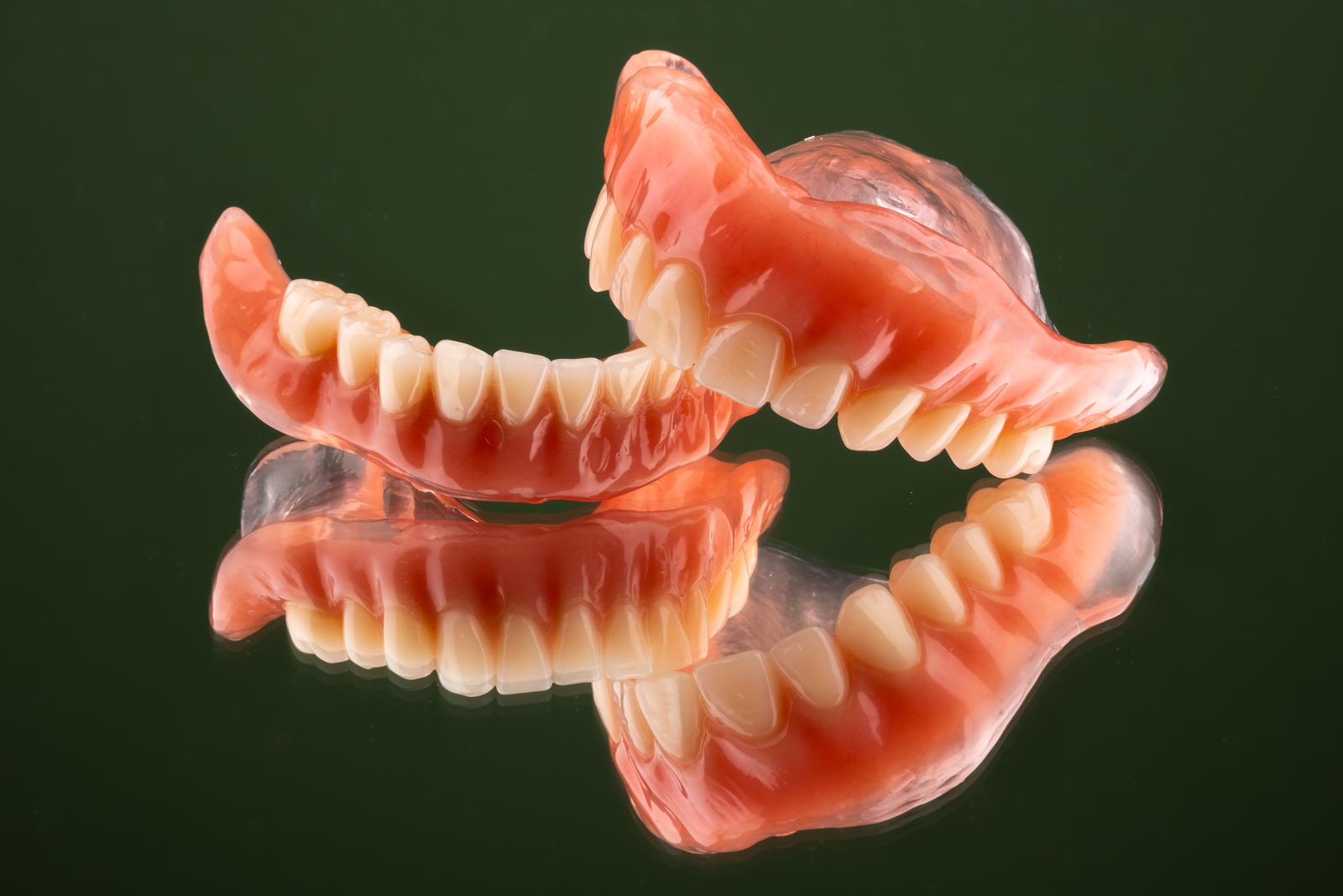
Dentures and partials are removable dental prostheses—sometimes called false teeth—designed to restore missing teeth and gum appearance. They are custom dentures made to fit the contours of your gum ridge, support your bite (occlusion), and bring back everyday function such as chewing efficiency and clearer speech. Depending on how many teeth you’re missing, you may be recommended full (complete) dentures that replace all teeth in an arch, or partial dentures that fill specific spaces while preserving your remaining natural teeth. Modern options range from acrylic dentures to metal dentures (often cobalt-chrome frameworks) and flexible partial dentures (nylon-based), with advanced choices like implant-supported dentures for added stability.
How Do Full Dentures Differ from Partial Dentures?
Full dentures replace every tooth in the upper dentures or lower dentures arch (or both). They rely on a closely adapted base to your gum ridge, saliva suction (upper), muscle control, and sometimes denture adhesives for stabilisation. Partial dentures, by contrast, replace one or more missing teeth while your remaining teeth help retain the denture via clasps or precision attachments. Partials preserve tooth position, help distribute bite forces, and act as a practical tooth loss solution when bridges or implants are not chosen.
What Types and Materials Are Commonly Used?
Dentures vary by type and material, each with attributes that balance comfort, aesthetics, functionality, durability and maintenance:
- Type: full, partial, flexible, implant-supported, immediate.
- Material: acrylic resin bases (common and adaptable), cobalt-chrome frameworks for strength in partials (i.e., metal dentures), and flexible nylon for comfort-focused designs.
- Comfort: custom-fitted, lightweight frameworks that are gum-friendly.
- Aesthetics: natural-looking prosthetic teeth, tooth-coloured shades, and gum-coloured bases that harmonise with your smile and facial shape.
- Functionality: restores chewing, improves speech, and helps maintain facial structure.
- Durability: designed for long-lasting service with proper care.
- Maintenance: easy to clean and straightforward to keep fresh with good daily routines.
Which Denture Option Suits Different Situations?
Choosing between removable options and implant-supported dentures depends on oral anatomy, bone volume, health history, and your preference for stabilisation. Implant-retained solutions can significantly improve denture stabilisation and chewing efficiency because the denture “clicks” to fixtures, limiting movement. If you’re replacing a few teeth, partial dentures are excellent for preserving adjacent teeth and supporting occlusion. When all teeth in an arch are missing, complete dentures offer a natural-looking and functional restoration. Immediate dentures may be placed right after extractions so you are never without teeth during healing, with planned denture adjustment and relines as the tissues settle.
What Is the Process for Denture Fitting and Adjustment?
Denture care starts with a precise denture fitting pathway. Your clinician records bite relationships, jaw movements, and the shape of your gum ridge. Dental impressions are taken, then a wax try-in helps fine-tune tooth position, aesthetics, and occlusion (bite alignment). After dental laboratory fabrication, your new appliance is issued with instructions for wear and denture cleaning. A series of review visits allows for denture adjustment, pressure spot relief, and—when indicated—relining dentures to refresh the fit. Over time, bone and soft tissue naturally change; a periodic denture replacement may be recommended to maintain comfort and function.
What Benefits Can Patients Expect from Modern Dentures?
High-quality removable prostheses focus on natural appearance, day-to-day function, and comfort:
- Restore the ability to chew and enjoy a wider variety of foods.
- Improve speech clarity by replacing missing tooth structures.
- Support facial shape to reduce the “sunken” appearance from tooth loss.
- Offer a practical path to smile restoration that can be planned around comfort and aesthetics.
- Provide pathways to enhanced stabilisation (e.g., implant-supported dentures).
What Everyday Care and Maintenance Keeps Dentures at Their Best?
Daily routines ensure low-upkeep freshness and long service:
- Rinse after meals to remove debris and protect chewing efficiency.
- Brush the denture gently with a soft denture brush and non-abrasive cleanser.
- Soak overnight in a recommended denture solution to care for the gum-coloured base and prosthetic teeth.
- Avoid hot water which can warp acrylic resin.
- Keep regular check-ups for fit review, relining, and bite assessment.
Which Denture Types Compare Best for Different Needs?
| Type of Denture | Best For | Pros | Considerations |
| Full denture | Complete tooth loss | Restores smile and speech; natural-looking | Adhesives may help stabilisation in some cases |
| Partial denture | Multiple missing teeth | Preserves remaining teeth and occlusion | May feel bulky at first; review for adjustments |
| Flexible denture | Comfort-first partial option | Lightweight, gum-friendly, tooth-coloured clasps | Not as rigid as metal; case selection is key |
| Implant-supported denture | Maximum stability and chewing efficiency | Secure fit; strong function; enhanced confidence | Requires surgery and specific treatment planning |
| Immediate denture | Replacement right after extractions | Aesthetic continuity; no “toothless” phase | Relines/adjustments needed as tissues heal |
What Do the Terms You’ll Hear at the Clinic Actually Mean?
- Prosthodontics: the dental specialty focused on restoring missing teeth and structures.
- Removable dental appliance: a device you can take in and out (such as a denture).
- Denture adhesives: products sometimes used to aid retention, especially for full lower dentures.
- Denture stabilisation: strategies (including implants) to reduce movement and improve function.
- Chewing efficiency: how effectively you can process food—often improved with well-fitting dentures and optimised occlusion.
What Practical Lists Should You Keep in Mind?
Types of Dentures
- Full (complete) dentures
- Partial dentures
- Immediate dentures
- Implant-supported dentures
- Flexible dentures
Benefits of Dentures
- Restore chewing
- Improve speech
- Maintain facial shape
- Enhance appearance and confidence
- Provide practical tooth loss solutions
Care Tips for Dentures
- Rinse after eating
- Daily gentle brushing
- Overnight soaking as directed
- No hot water
- Regular professional reviews
Why Choose Ferny Hills Dental for Dentures and Partials?
If you’re considering dentures—full, partial, flexible, or implant-supported—Ferny Hills Dental provides a calm, professional pathway from first consultation to confident daily wear. Our dentist team plans thoroughly around your gum ridge anatomy, occlusion, and smile goals to deliver custom dentures that are natural-looking, tooth-coloured, and gum-coloured to suit your features. From precise impressions and dental laboratory fabrication to careful issue appointments, we focus on comfort, durability, and maintenance that’s easy to manage at home. We’ll guide you through denture fitting, scheduled denture adjustment, and sensible relining when needed, and we’ll discuss stabilisation options—including implant-supported dentures—so you can enjoy dependable function and clear speech. When you’re ready to explore modern prosthetic teeth that feel like “you” again, Ferny Hills Dental is here to help you see clearly, treat confidently, and smile with assurance.
References
- Healthdirect Australia – Dentures: https://www.healthdirect.gov.au/dentures
- Better Health Channel (Victoria Government) – Dentures: https://www.betterhealth.vic.gov.au/health/conditionsandtreatments/dentures
- SA Health – Dentures and Oral Health: https://www.sahealth.sa.gov.au/wps/wcm/connect/public+content/sa+health+internet/healthy+living/oral+health/dentures
- Cochrane Oral Health – Implant-supported overdentures vs conventional dentures (evidence review): https://www.cochrane.org/search?query=implant-supported%20overdentures
FAQs
1) How long does it take to get used to new dentures?
Most people adapt over a few weeks. Initially, your speech and chewing feel different as muscles learn to stabilise the appliance. Planned review visits let your dentist make small adjustments to remove pressure points and refine your bite.
2) How often should I replace or reline my dentures?
Tissues remodel over time, so relines may be recommended to refresh the fit. Replacement is considered when wear, fracture, or significant fit changes affect comfort, aesthetics, or chewing efficiency. Your clinician will tailor the timeline at routine reviews.
3) Can partial dentures damage my natural teeth?
When designed and adjusted correctly, partial dentures share forces evenly and help maintain occlusion. Good daily cleaning and regular check-ups protect the remaining teeth and the denture framework.
4) What’s the difference between flexible partials and metal-based partials?
Flexible partial dentures prioritise comfort and aesthetics with gum-friendly, lightweight materials; metal (cobalt-chrome) frameworks offer rigidity and strength, particularly for longer spans. Your dentist will match the design to your bite, span length, and aesthetic goals.
5) Do I need denture adhesive every day?
Not necessarily. Well-fitting dentures often don’t require adhesive. Some people choose it for added confidence—especially with lower full dentures. If you’re relying on adhesive, ask about fit review or stabilisation options.
6) Are implant-supported dentures worth considering?
For patients seeking enhanced stabilisation and chewing efficiency, implant-supported dentures can be transformative. They attach to implants for a secure, click-in fit, reducing movement and improving function. Your suitability depends on bone volume, health, and personalised treatment planning.


