

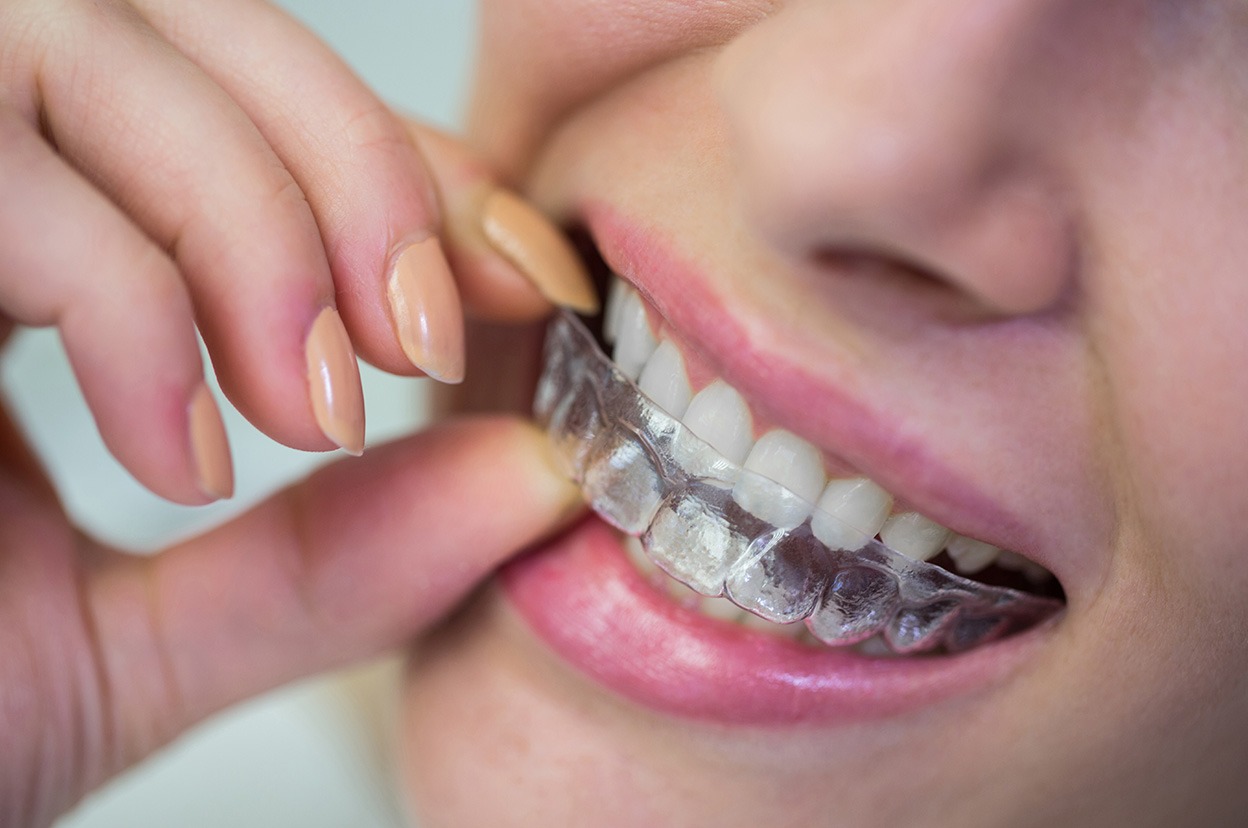
Clear aligners have transformed orthodontic treatment by offering a discreet alternative to traditional braces. But when it comes to children, parents often wonder: at what age can kids wear Invisalign? This question involves far more than simply age—it requires consideration of a child’s dental development, behavioural readiness, and clinical need.
In this article, we explore when Invisalign might be suitable for young patients, what factors determine eligibility, and how aligner-based treatments like Invisalign First and Invisalign Teen are structured to suit various developmental stages.
Why Is Age Not the Only Factor in Aligner Suitability?
While age can provide a general guideline, it is not the most reliable indicator of readiness for orthodontic treatment. Dental maturity, oral hygiene habits, and individual treatment requirements play a more critical role. Each child develops at their own pace, and treatment must be carefully tailored to suit their unique needs.
Here are several non-age-based factors that influence aligner eligibility:
- Stage of tooth eruption and jaw development
- The presence of sufficient permanent teeth
- Level of oral hygiene and maintenance habits
- Willingness to comply with treatment protocols
- Presence of any skeletal discrepancies or complex bite issues
A comprehensive examination by a qualified dental professional is essential before any treatment recommendation is made.
What Are the Available Invisalign Options for Different Age Groups?
Invisalign offers age-appropriate systems that consider the developmental needs of children and adolescents. Each system is designed with specific features tailored to the physical and behavioural characteristics of the age group it serves.
Overview of Invisalign Treatment Options by Age
| Age Group | Treatment Stage | Invisalign Option | Key Considerations |
| 6–10 years old | Early interceptive phase | Invisalign First | Mixed dentition, space creation, jaw development |
| 11–13 years old | Adolescent dentition | Invisalign Teen | Wear indicators, eruption compensation, compliance tools |
| 14+ years old | Full permanent dentition | Invisalign Full | Similar to adult aligner treatment plans |
What Is Invisalign First and Who Can Benefit from It?
Invisalign First is an aligner system developed specifically for growing children, generally between the ages of 6 and 10. It addresses issues during the mixed dentition phase, when both baby and adult teeth are present.
Invisalign First may be considered for:
- Mild to moderate crowding
- Narrow dental arches
- Spacing issues
- Developmental abnormalities that may benefit from early intervention
However, not every child will require early orthodontic treatment. A dental professional can determine whether interceptive treatment is appropriate or whether observation is more suitable.
How Important Is Compliance in Aligner Treatment for Kids?
Aligners are removable, which provides flexibility but also introduces responsibility. Unlike fixed braces, their success depends heavily on compliance.
Children and teenagers must wear aligners for the recommended 20–22 hours a day to achieve the desired outcomes. The aligners must also be removed for eating and drinking (except water), then reinserted after oral hygiene.
Indicators of good compliance include:
- Demonstrated ability to follow instructions
- Proper storage of aligners when not in use
- Consistent oral hygiene habits
- Attending regular dental reviews
If a child or teen struggles with consistency or motivation, a fixed orthodontic option may be more appropriate. The suitability of Invisalign should always be considered on a case-by-case basis.
What Are the Limitations or Risks Associated with Invisalign in Young Patients?
Like all dental procedures, clear aligner treatment involves potential risks and limitations, especially in younger patients.
Possible challenges include:
- Aligners becoming lost or damaged
- Delays in treatment due to poor compliance
- Discomfort or irritation from aligner edges
- Difficulty adapting to the sensation of removable appliances
- Mild speech disturbances during initial adaptation
Treatment plans must include a thorough explanation of all alternatives, such as traditional braces or interceptive appliances, as well as the variability in outcomes. This ensures that families are able to make informed decisions about care.
When Should You Book a Child’s First Orthodontic Evaluation?
It is generally recommended that children see a dentist for an orthodontic assessment by the age of seven. This doesn’t necessarily mean treatment will begin at this stage, but it does allow dental professionals to:
- Monitor the development of teeth and jaws
- Identify potential issues early
- Advise on whether early treatment could be beneficial
- Offer guidance on oral hygiene for growing smiles
Early intervention may prevent more complex issues later in life, but not all children will require treatment at a young age. Observation and growth monitoring are common during the early years.
How Can Ferny Hills Dental Help With Invisalign for Children?
At Ferny Hills Dental, we understand that each child’s dental journey is unique. Our experienced team provides comprehensive evaluations tailored to your child’s development and dental maturity. We take the time to assess whether Invisalign is suitable, ensuring all options and associated factors are clearly explained to parents and caregivers. Our focus is on educating families, not promoting specific outcomes.
We take pride in delivering gentle, evidence-based care with an emphasis on early monitoring and preventative strategies. If treatment is appropriate, we guide families through the process with ongoing support, clear instructions, and thorough follow-up care. Whether your child is ready for aligners or simply needs an assessment, Ferny Hills Dental is here to support their long-term oral health.
Frequently Asked Questions
- What is the earliest age a child can wear Invisalign?
Children as young as six years old may be eligible for Invisalign First, depending on their dental development. However, age is just one factor. An orthodontic consultation is needed to assess overall readiness.
- Does my child need to have all their adult teeth to start Invisalign?
No. Invisalign First is designed for children with a mix of baby and permanent teeth. Full adult dentition is typically required for Invisalign Teen or Invisalign Full.
- How many hours a day does my child need to wear the aligners?
Children and teens must wear aligners for 20–22 hours a day. Aligners should only be removed for eating, drinking, brushing, and flossing.
- What happens if my child doesn’t wear the aligners properly?
Non-compliance can slow down or prevent progress. It’s essential to ensure that your child is ready to commit to the responsibility before starting treatment.
- Are aligners better than braces for kids?
Both have benefits and limitations. Aligners offer discretion and removability, but braces can be better for complex cases or where compliance may be difficult.
- Is Invisalign treatment painful for children?
Most children experience mild pressure or discomfort when they first start wearing aligners or switch to a new set. This usually resolves within a few days.
References
- Australian Society of Orthodontists – Early Treatment:
https://www.aso.org.au/orthodontic-treatment/early-treatment - Invisalign Australia – Invisalign First:
https://www.invisalign.com.au/treatable-cases/for-kids - Australian Dental Association – Children’s Oral Health:
https://www.ada.org.au/Your-Dental-Health/Children-0-11/Kids-and-Orthodontics
Disclaimer
All dental procedures involve potential risks and benefits. The information provided in this blog is general in nature and should not be taken as medical advice. We recommend that you seek guidance from a suitably qualified health professional before making decisions about your oral health. Where appropriate, you may also wish to consider obtaining a second opinion.
Any images or videos featured are shared with the informed consent of our patients and are intended for educational purposes only. They are not a guarantee of results, as every patient is unique. Treatment outcomes — including recovery, potential complications, and effectiveness — can vary from person to person.


