

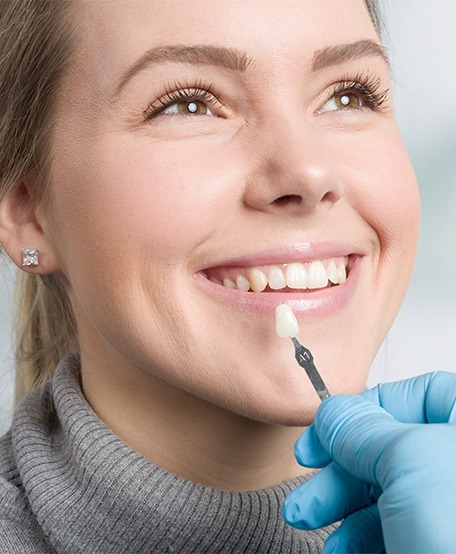
Dental veneers have become a popular solution for enhancing the appearance of teeth, particularly in cosmetic dentistry. But what happens if veneers are removed — whether due to age, damage, or personal choice? Understanding the impact of veneer removal is essential for those considering this step or simply curious about what lies beneath.
Can Veneers Be Removed Once Applied?
Dental veneers, whether porcelain or composite, are designed as long-term restorations. While technically removable, they are not reversible. This is because a layer of enamel is typically removed during the initial preparation process to ensure a proper fit and natural appearance.
Removing veneers involves a clinical procedure that must be carried out carefully to avoid damage to the underlying tooth structure. Once removed, the natural tooth is often not the same as it was prior to treatment, due to the reduction in enamel and changes in surface texture.
What Happens to Enamel After Veneer Removal?
Tooth enamel is the thin, outermost layer of the tooth that protects it from wear, sensitivity, and decay. During veneer application, a portion of this enamel is usually reduced or reshaped.
After veneers are removed:
- The enamel does not regenerate.
- The tooth surface may feel rougher or appear dull.
- There is an increased likelihood of sensitivity, particularly to hot and cold temperatures.
- In some cases, a protective restoration may be recommended to cover the exposed surface.
Can You See a Difference in Your Teeth Post-Removal?
Yes, changes in the appearance and function of the teeth are possible. While the core structure remains, the visible surface may differ in texture and colour. It’s important to note that post-removal teeth are not typically restored to their pre-veneer state unless protective restorations are added.
Common observations may include:
- A duller or more matte surface.
- Yellowish tinge due to exposed dentine.
- Increased sensitivity in previously covered areas.
- Visual contrast between veneered and non-veneered teeth (if only some were treated).
Are There Options After Veneer Removal?
Once veneers are removed, patients are often presented with a few options:
- Replacement with new veneers or other restorations
- Composite bonding to smooth out surfaces
- In some cases, full-coverage crowns depending on the integrity of the remaining tooth
Discussing these options with a dental professional is crucial to ensure that the chosen path aligns with oral health needs and long-term outcomes.
What Are the Oral Health Considerations After Veneers Are Taken Off?
When veneers are removed, protecting the tooth structure becomes a key priority. The teeth may require supportive care to maintain their strength and reduce sensitivity. Maintaining a good oral hygiene routine is essential.
Ongoing oral care tips include:
- Using fluoride toothpaste to support enamel
- Avoiding highly acidic or staining foods
- Scheduling regular check-ups and hygiene appointments
- Using desensitising products if recommended by a dental professional
What Are the Clinical Changes That May Occur?
The removal of veneers can lead to several changes in tooth condition and oral comfort. These changes are not typically harmful when managed properly, but they do highlight the importance of post-removal planning.
Here’s a comparison table that outlines typical changes observed:
Table: Before and After Veneer Removal
| Aspect | Before Veneers | After Veneers Removed |
| Tooth Enamel | Often partially removed | Does not regenerate; remains reduced |
| Tooth Surface | Smooth, natural finish | May appear dull or uneven |
| Sensitivity | Usually low | May increase temporarily or persistently |
| Aesthetic Appearance | Natural tooth colour | Possible discolouration or contrast |
| Restoration Need | Not applicable | May require new protective solution |
This table is intended for educational purposes only and outcomes can vary based on the individual’s condition and prior treatment history.
Why Is It Important to Discuss Veneer Removal with a Dental Practitioner?
Veneer removal should never be attempted without professional supervision. Only a qualified dental practitioner can determine the best course of action following removal, whether that involves replacement veneers, alternative restorations, or protective treatments.
Points to discuss with your dentist include:
- The amount of enamel initially removed
- Your current oral health status
- Risk of sensitivity and how it will be managed
- What restorative options are best for long-term health
- Whether the appearance of your teeth will change significantly
Is There a Risk of Long-Term Damage?
When managed correctly, the risk of long-term damage is minimised. However, leaving exposed tooth surfaces untreated may increase the likelihood of:
- Sensitivity to temperature and pressure
- Enamel wear from brushing or dietary acids
- Higher risk of staining
- Tooth surface degradation
Protective restorations or bonding may be considered to reduce these risks.
What Preventative Measures Should You Take After Veneer Removal?
Protecting the natural tooth structure is key. After removal, the surface of the tooth is no longer shielded by the veneer, so extra care is needed.
Preventative actions:
- Brush gently with a soft-bristled toothbrush
- Avoid using whitening toothpaste unless advised
- Schedule a clinical assessment promptly after veneer removal
- Avoid high-acid beverages such as citrus juices or soft drinks
- Use dental products recommended by your clinician for exposed dentine
Why Trust Ferny Hills Dental for Veneer-Related Care?
At Ferny Hills Dental, we are committed to helping patients make informed decisions about their dental care. Whether you’re considering veneers, managing existing restorations, or planning for their removal, our team offers compassionate, evidence-based guidance.
Our clinic takes a preventive and personalised approach, assessing your oral health before recommending any course of action. We focus on ensuring that all procedures — including veneer removal and post dental veneer treatment care — are clearly explained, with full transparency about risks, options, and expected outcomes.
Our team is trained in the latest clinical protocols for managing tooth surfaces post-veneer and can advise on the safest ways to maintain your smile’s health and function. If you’re considering removing veneers or have concerns about previous cosmetic dental work, we’re here to support your journey.
FAQs
- Is it safe to remove veneers from teeth?
Yes, veneers can be professionally removed, but the underlying tooth structure may be more vulnerable than before the veneers were applied. A dental practitioner will assess and recommend next steps. - Will my teeth look the same after veneers are removed?
In most cases, the appearance of the teeth will change. You may notice dullness, colour differences, or surface texture changes, depending on how much enamel was originally removed. - Can I choose not to replace my veneers after removal?
Depending on your enamel condition and oral health, it may be possible to leave teeth uncovered, but many patients opt for a new restoration to protect the exposed surface and enhance function. - Do teeth become more sensitive after removing veneers?
Yes, sensitivity is a common effect due to exposed dentine or reduced enamel. Your clinician may recommend protective options or products to manage this. - Can veneers be removed and replaced on the same day?
In some cases, yes. If planned in advance, your dentist may be able to remove old veneers and place new ones or temporary restorations in a single visit. - How long do the effects of veneer removal last?
Without replacement, the effects may be long-term, particularly if enamel is lost. It’s important to monitor oral health and follow up regularly with your dental practitioner.
Reference Section
- Dental Board of Australia – Guidelines for advertising a regulated health service
https://www.dentalboard.gov.au/Codes-Guidelines/Policies-Codes-Guidelines/Advertising-guidelines.aspx - Better Health Channel (Victoria Government) – Veneers
https://www.betterhealth.vic.gov.au/health/conditionsandtreatments/veneers - Australian Dental Association – Oral Health and Veneers
https://www.ada.org.au/Dental-Health-Week/Oral-Health-Information/Teeth-Whitening-and-Veneers
Disclaimer
All dental procedures involve potential risks and benefits. The information provided in this blog is general in nature and should not be taken as medical advice. We recommend that you seek guidance from a suitably qualified health professional before making decisions about your oral health. Where appropriate, you may also wish to consider obtaining a second opinion.
Any images or videos featured are shared with the informed consent of our patients and are intended for educational purposes only. They are not a guarantee of results, as every patient is unique. Treatment outcomes — including recovery, potential complications, and effectiveness — can vary from person to person.


