

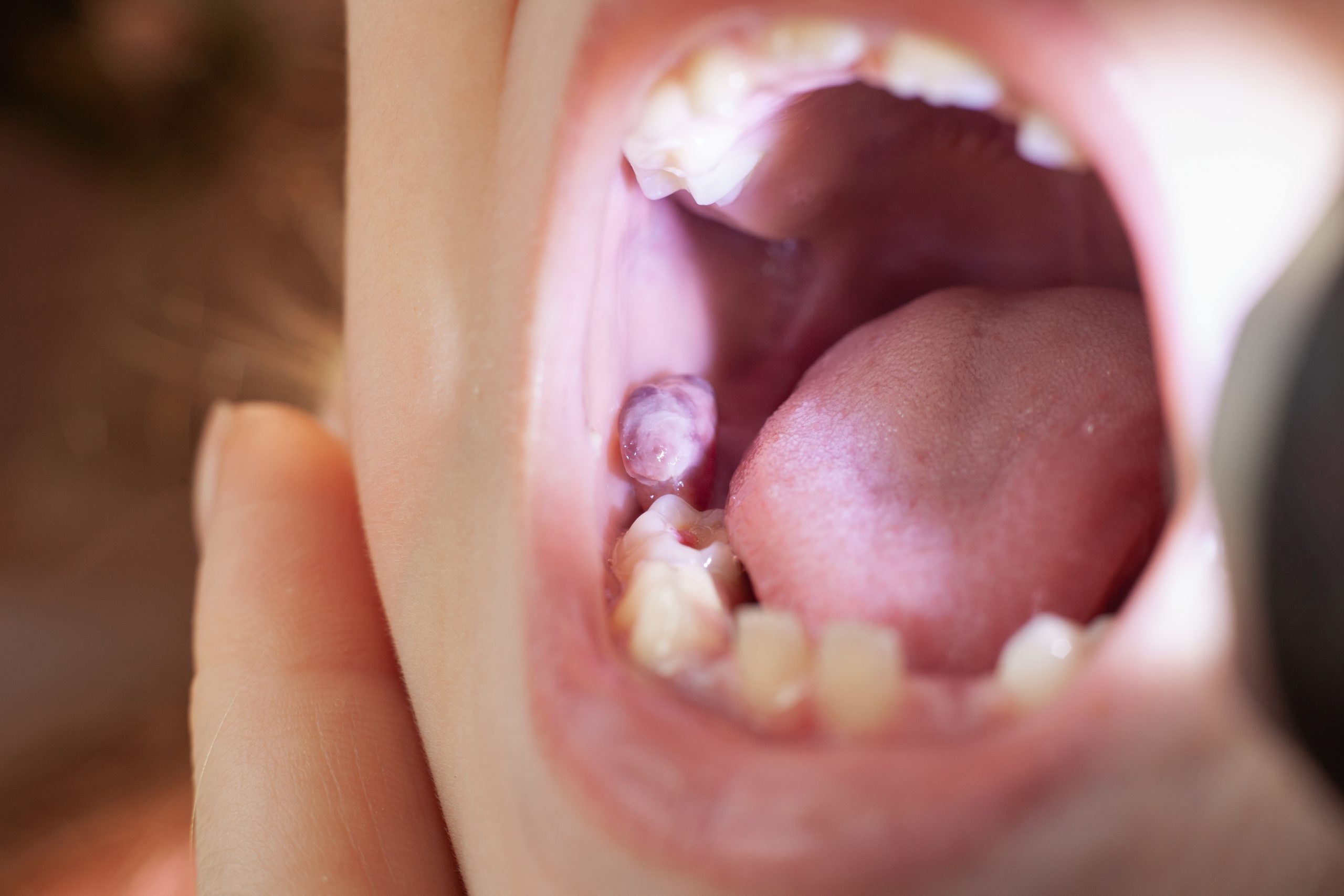
What Is a Dental Abscess?
A dental abscess is a localised pocket of pus caused by a bacterial infection inside a tooth or in the surrounding gum tissue. The human immune system creates pus as a biological defence mechanism to trap and destroy invading bacteria. When oral bacteria penetrate the hard outer layers of a tooth or invade the gum tissue, white blood cells rush to the area, creating a rapid buildup of dead cells, living and dead bacteria, and fluid.
This fluid accumulation generates intense physical pressure inside the rigid tooth structure or the confined spaces of the jawbone. The continuous pressure compresses the highly sensitive dental nerves at the centre of the tooth, triggering severe, throbbing dental pain and noticeable facial or gum swelling.
The infection forms a physical barrier that the body cannot clear independently. A dental infection requires immediate professional intervention to drain the pus, eliminate the bacteria, and relieve the pressure. According to the Australian Dental Association (ADA) guidelines on dental infection management, untreated dental infections pose severe risks to systemic health. Residents in Ferny Hills and Brisbane north experiencing sudden tooth pain require prompt diagnosis and treatment from experienced dentists to prevent the infection from spreading.
What Are the Types of Dental Abscess?
Dentists categorise a dental abscess into three distinct types based on the exact anatomical location of the bacterial infection. The specific diagnosis determines the required treatment pathway to eliminate the bacteria and save the tooth.
- Periapical abscess: This infection develops at the very tip of the tooth root. Untreated tooth decay allows acid-producing bacteria to dissolve the hard enamel and dentin, eventually reaching the inner dental pulp. The pulp contains the blood vessels and nerves that keep the tooth alive. When bacteria invade this sterile environment, the tissue becomes necrotic, and the infection escapes through the root apex into the surrounding jawbone.
- Periodontal abscess: This infection originates in the gum tissue directly adjacent to a tooth root, specifically within the periodontal ligament. Advanced gum disease destroys the jawbone supporting the teeth, creating deep periodontal pockets. These deep spaces trap food debris and anaerobic bacteria, leading to rapid infection and an abscessed tooth root that remains completely free of decay.
- Gingival abscess: This infection remains localised to the surface gum tissue and does not affect the periodontal ligament or the tooth root. Foreign objects, including aggressive toothbrush bristles, popcorn hulls, or toothpick splinters, physically lacerate the delicate gum tissue. The physical injury introduces bacteria directly into the superficial gum layers, resulting in localised pus on gums without any underlying dental damage.
What Causes a Dental Abscess?
A dental abscess develops when specific oral conditions allow pathogenic bacteria to bypass natural physical defences, multiply rapidly, and infect the internal dental structures. The bacterial pathway to abscess formation varies, but several primary triggers initiate the infection.
- Deep dental cavities: Plaque bacteria metabolise dietary sugars and excrete highly acidic waste. This acid demineralises the enamel, creating cavities. When decay penetrates the dentin layer and reaches the pulp chamber, the resulting infection causes pulp necrosis and subsequent abscess formation at the root tip.
- Advanced periodontitis: Severe, untreated gum disease destroys the alveolar bone and periodontal ligaments that anchor the teeth. As the gum tissue detaches from the tooth root, deep periodontal pockets form. These dark, anaerobic spaces harbour aggressive bacterial colonies that infect the surrounding tissues, creating a periodontal abscess.
- Physical dental fractures: Cracked or chipped teeth resulting from sports injuries, bruxism, or biting unexpectedly hard objects create direct physical pathways for bacteria. Microscopic fractures allow oral bacteria to bypass the intact enamel barrier and travel directly into the sterile pulp chamber, initiating a rapid inflammatory response.
- Degraded dental restorations: Dental fillings do not last indefinitely. Over time, composite resin and amalgam materials degrade, or the bonding agent fails, creating microscopic marginal gaps between the filling and the natural tooth. Bacteria infiltrate these gaps, causing recurrent decay beneath the filling where brushing cannot reach.
- Suppressed immune responses: Systemic medical conditions directly impact the body ability to fight oral bacteria. Patients with uncontrolled diabetes, individuals undergoing chemotherapy, or those taking immunosuppressive medications experience reduced white blood cell activity, allowing minor oral bacterial overgrowths to escalate into severe dental infections.
- Compromised root canal treatments: Previously treated teeth can experience a secondary apical periodontitis diagnosis. Complex root canal anatomy featuring narrow or curved canals occasionally harbours residual bacteria following initial treatment. If coronal sealing fails or a dental crown develops marginal leakage, new bacterial contaminants invade the root canal system, causing a recurrent abscessed tooth.
What Are the Symptoms of a Dental Abscess?
The clinical presentation of a dental abscess progresses systematically from localised discomfort to severe, systemic illness. Recognising tooth infection symptoms early ensures patients seek treatment before the bacteria spread.
Local oral symptoms:
- Spontaneous, throbbing pain: Patients experience a rapid onset of severe, pulsating pain that radiates to the jaw, ear, or neck. The pain intensifies when lying down, preventing sleep.
- Localised gum swelling: The soft tissues surrounding the affected tooth become inflamed, red, and visibly swollen. A pimple-like fistula frequently appears on the gum surface to drain the pus naturally.
- Heightened tooth sensitivity: The affected tooth reacts sharply to hot or cold temperatures and cannot tolerate the pressure of chewing.
- Unpleasant oral tastes: Rupturing abscesses release thick, foul-smelling pus into the oral cavity, causing chronic halitosis and a persistent bitter taste.
- Mobile dental structures: Severe infection destroys the surrounding jawbone, causing the affected tooth to feel loose or shift position within the dental arch.
Systemic bodily symptoms:
- raised body temperature: A high fever indicates the immune system is actively fighting a substantial bacterial load that has breached local oral boundaries.
- Enlarged lymph nodes: The submandibular and cervical lymph nodes under the jaw and in the neck become swollen, firm, and tender to the touch.
- Restricted jaw movement: Trismus, or lockjaw, occurs when the infection spreads into the facial spaces, making it physically difficult or impossible to open the mouth fully.
- Impaired swallowing ability: Dysphagia develops when swelling encroaches on the throat or airway, creating a life-threatening dental emergency.
How Is a Dental Abscess Diagnosed?
Diagnosing a dental abscess requires a systematic clinical evaluation combining physical examination with advanced imaging technology. The diagnostic protocol at Ferny Hills Dental accurately pinpoints the infection source to formulate an effective treatment plan. This content was medically reviewed in July 2026 by Dr Angela Yang (BDS, University of Otago, AHPRA DEN0001309836).
- Comprehensive visual assessment: The dentist examines the oral cavity for asymmetrical facial swelling, localised gum inflammation, and visible sinus tracts draining pus. The dentist assesses the colour, shape, and position of the suspected tooth.
- Digital radiographic imaging: Ferny Hills Dental uses low-radiation digital X-rays to reveal the internal tooth structure and surrounding jawbone. Dental radiographs show a dark radiolucency at the root apex, confirming a periapical abscess diagnosis. The images also measure the depth of periodontal pockets and assess the extent of jawbone loss.
- Gentle percussion testing: Tapping the cusps of the suspected abscessed tooth with a small dental instrument elicits a sharp, distinct pain response. A positive percussion test confirms acute inflammation in the periodontal ligament surrounding the tooth root.
- Thermal vitality evaluation: Applying a cold stimulus to the suspect tooth determines the health status of the dental pulp. A necrotic tooth fails to respond to temperature changes, while an acutely inflamed pulp demonstrates a prolonged, lingering pain reaction.
- Precise periodontal probing: The dentist uses a graduated periodontal probe to measure the depth of the gum pockets around the tooth. Deep, bleeding pockets with purulent exudate confirm a periodontal abscess originating from the gum tissue rather than the tooth pulp.
How Is a Dental Abscess Treated?
Dental abscess treatment requires a structured, four-step clinical process focusing on purulent drainage, source elimination, and systemic recovery.
- Surgical pus drainage: Relieving the intraoral pressure is the primary clinical objective. The dentist makes a small surgical incision in the swollen gum tissue to allow the trapped pus to drain completely. In endodontic cases, drainage occurs directly through the infected tooth’s root canal system.
- Definitive source elimination: Removing the physical origin of the bacteria prevents reinfection.
- For a periapical abscess, root canal therapy removes the necrotic pulp tissue and disinfects the internal canals. Following the procedure, a dental crown restores the structural integrity of the compromised tooth.
- For a periodontal abscess, a deep clean removes bacterial toxins and calculus from the root surface.
- If the tooth sustains catastrophic structural damage or the infection destroys the jawbone, a surgical tooth extraction becomes the definitive elimination method.
- Targeted antibiotic therapy: Dentists prescribe systemic antibiotics when facial swelling, high fever, or lymphadenopathy indicate the infection has breached local confinement. Amoxicillin or metronidazole regimens eliminate circulating bacteria. Antibiotics alone cannot cure an abscessed tooth because the medication cannot penetrate the avascular pus pocket to kill the bacteria effectively.
- Strategic pain management: Post-operative discomfort is managed using non-steroidal anti-inflammatory drugs or prescribed analgesics. Effective pain control supports patient recovery and ensures adequate rest while the oral tissues heal.
What Does Dental Abscess Treatment Cost?
Dental abscess treatment costs in Ferny Hills and the wider Brisbane north region range from $80 to $1,600, depending on the severity of the infection and the complexity of the required procedure. The table below outlines the standard pricing structure.
| Dental Procedure | Estimated Cost Range (AUD) |
|---|---|
| Emergency consultation | $80 – $150 |
| Root canal therapy | $900 – $1,600 |
| Tooth extraction | $250 – $500 |
| Deep gum cleaning (per quadrant) | $200 – $400 |
| Antibiotic prescription | Included in consultation |
Emergency consultations cover the initial examination, digital X-rays, and acute pain relief. Complex procedures like root canal therapy require multiple appointments and specialised endodontic files to disinfect the intricate canal system.
Ferny Hills Dental provides transparent pricing and on-the-spot health fund claiming. As a preferred provider, the practice offers reduced out-of-pocket expenses for patients with Bupa Members First and Medibank Members Choice health insurance policies. Patients requiring extensive restoration following infection removal can use CEREC technology to receive a durable, same-day ceramic crown, reducing overall laboratory costs.
What Happens If You Leave a Dental Abscess Untreated?
Leaving a dental abscess untreated leads to progressive destruction of oral tissues and the rapid escalation of severe systemic health emergencies. The bacterial infection continuously expands, feeding on the surrounding jawbone and entering the general circulation.
- Localised osteomyelitis: Chronic dental infections dissolve the alveolar jawbone supporting the teeth. This irreversible bone loss causes adjacent teeth to loosen and eventually requires surgical extraction.
- Facial cellulitis: Highly virulent bacteria invade the deep soft tissue spaces of the face and neck. This causes rapid, firm, and widespread swelling that distorts facial symmetry and requires immediate hospital admission for intravenous antibiotics.
- Systemic sepsis: When oral bacteria enter the bloodstream, they trigger a massive systemic inflammatory response known as sepsis. Sepsis causes a dangerous drop in blood pressure, leads to multiple organ failure, and is frequently fatal without intensive care intervention.
- Cavernous sinus thrombosis: Bacteria from an untreated upper jaw infection can travel through the facial veins into the cranial cavity. This rare but lethal complication causes a blood clot in the brain, requiring emergency neurosurgical intervention.
- Silent nerve necrosis: Patients may mistakenly believe the dental infection has resolved when their severe tooth pain spontaneously stops. Pain cessation actually indicates the internal tooth nerve has died completely. The active bacterial infection remains, continuing to multiply and destroy the jawbone silently.
When Is a Dental Abscess a Dental Emergency?
A dental abscess constitutes a medical and dental emergency the moment pus formation begins. Patients experiencing active swelling, raised body temperature, or persistent throbbing pain require same-day emergency dental care to prevent the infection from entering the bloodstream.
Specific red flag symptoms indicate the bacterial infection is spreading rapidly through the facial spaces and requires immediate clinical intervention.
- Progressive facial swelling that alters facial symmetry, closes the eye, or extends down the neck.
- High fever accompanied by sweating, chills, and general lethargy.
- Difficulty swallowing (dysphagia) or difficulty breathing (dyspnoea).
- Rapid heartbeat or mental confusion, indicating septic shock.
Patients located in Ferny Hills, Ferny Grove, Everton Park, Everton Hills, Gaythorne, Keperra, Arana Hills, and Upper Kedron must call (07) 3351 2731 immediately upon noticing these red flag symptoms. The clinical team at Ferny Hills Dental reserves daily emergency appointment slots for acute infections. If these severe systemic symptoms occur outside normal practice hours, patients must attend the nearest hospital emergency department immediately for medical stabilisation.
How Can You Prevent a Dental Abscess?
Preventing a dental abscess requires disciplined daily oral hygiene and proactive preventative dentistry. Mechanical disruption of bacterial plaque stops the decay process before bacteria can penetrate the dental pulp.
- Attend biannual check-ups: Schedule professional check-ups and cleans every six months. Dental radiographs detect microscopic cavities and failing fillings before bacteria reach the nerve.
- Treat early decay: Address small cavities immediately with white fillings. Sealing the enamel prevents bacteria from accessing the vulnerable dentin layer.
- Brush twice daily: Use a soft-bristled toothbrush and fluoride toothpaste. Fluoride remineralises weakened enamel and reverses early demineralisation caused by plaque acid.
- Floss between teeth: Interdental cleaning removes trapped food particles and sticky plaque colonies from the spaces where the toothbrush cannot reach.
- Replace defective fillings: Monitor old amalgam and composite restorations for marginal breakdown. Replacing leaking fillings eliminates the microscopic gaps where bacteria accumulate.
- Wear protective splints: Patients who grind or clench their teeth during sleep must wear a custom night splint. The appliance absorbs occlusal force and prevents the micro-fractures that expose the dental pulp.
- Manage systemic health: Diabetic patients must maintain stable blood glucose levels. Controlled blood sugar supports a robust immune response capable of neutralising early oral bacterial threats.
Frequently Asked Questions
Can a dental abscess go away on its own?
No, a dental abscess cannot heal without professional treatment. The infection originates from a structural breach in the tooth or gum, meaning the bacteria continuously multiply until a dentist physically drains the pus and removes the infected tissue. Explore our emergency dental care options for rapid symptom relief.
How do I know if my tooth abscess is spreading?
Signs a tooth abscess is spreading include facial swelling, a high fever, swollen lymph nodes, and difficulty swallowing or breathing. These systemic symptoms indicate the infection has entered the surrounding tissues or bloodstream. Review the signs requiring root canal therapy to stop the spread.
Will antibiotics cure a dental abscess?
No, antibiotics alone cannot cure an abscessed tooth. Antibiotics control the spreading infection, but the source of the bacteria inside the dead pulp or deep gum pocket requires mechanical removal through a root canal or tooth extraction.
How long can you leave a dental abscess untreated?
You should not leave a dental abscess untreated for more than 24 hours. The infection spreads rapidly through the facial spaces, and waiting days or weeks significantly increases the risk of tooth loss, sepsis, and hospitalisation.
Can a dental abscess be fatal?
Yes, an untreated dental abscess can be fatal. If the bacteria enter the bloodstream and cause sepsis, or if facial swelling blocks the airway, the condition becomes life-threatening and requires immediate hospital emergency care.
How much does emergency abscess treatment cost?
Emergency dental abscess treatment costs between $80 for an initial consultation and $1,600 for complex root canal therapy. Patients with Medibank Members Choice or Bupa Members First health insurance receive reduced out-of-pocket expenses for major procedures.


