

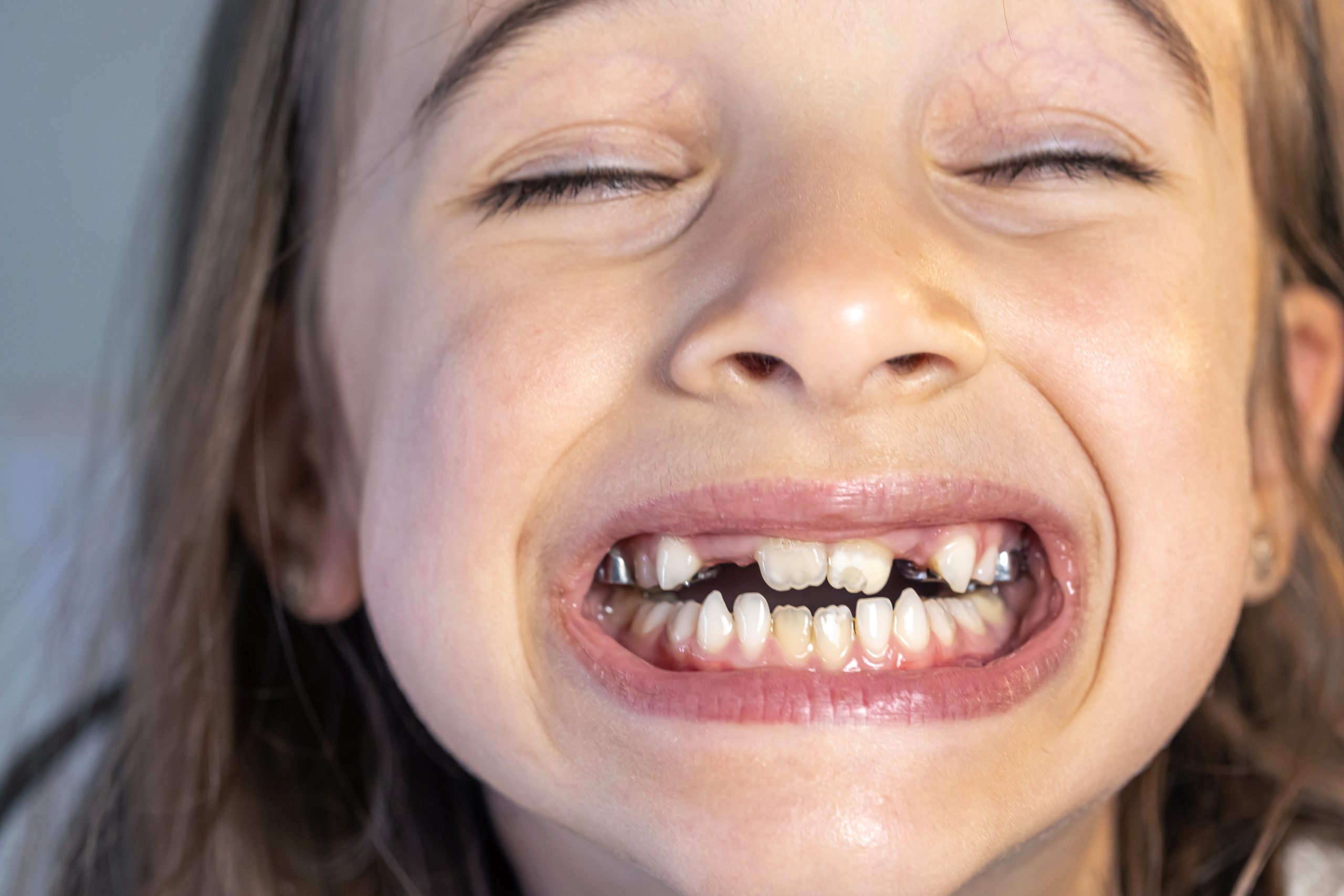
Breaking a tooth requires immediate dental attention to prevent infection and structural failure. The experienced dentists at Ferny Hills Dental provide urgent broken tooth repair for residents across Ferny Hills, Ferny Grove, Everton Park, Everton Hills, Gaythorne, Keperra, Arana Hills, and Upper Kedron.
What Counts as a Broken Tooth?
A broken tooth involves any structural damage to the natural tooth structure ranging from a minor enamel chip to a complete vertical split. Dental professionals categorise structural damage based on the depth of the fracture and the specific dental tissues involved. The outer shell of the tooth consists of enamel, which is the hardest substance in the human body. Beneath the enamel lies the dentin, a yellowish porous tissue that surrounds and protects the central pulp chamber.
There are 4 main categories of structural damage:
- Minor chip: Damage affects only the outer enamel layer. The enamel contains no nerves, so minor chips rarely cause pain.
- Moderate break: The fracture extends through the enamel and into the underlying dentin. Dentin contains microscopic tubules that transmit temperature changes directly to the tooth nerve.
- Severe break: The break exposes the dental pulp. The pulp houses the blood vessels and the trigeminal nerve, causing intense pain when exposed to air or saliva.
- Split tooth: A vertical fracture separates the tooth into distinct segments. The split often begins at the crown and extends downward toward the root.
What Causes a Tooth to Break?
There are 7 primary causes of a broken tooth including dietary choices, physical trauma, and underlying dental conditions. Human jaw muscles generate immense chewing forces, sometimes exceeding 70 kilograms per square centimetre.
- Biting hard foods: Biting down on ice cubes, whole almonds, or unpopped popcorn kernels exerts extreme localised pressure on the enamel. The concentrated force exceeds the tensile strength of the crystalline enamel rods, causing structural failure.
- Sports injury or fall: Physical collisions during contact sports or accidental falls transmit concussive force to the teeth. A direct blow to the face snaps the crown of the tooth at its weakest point, usually near an existing filling.
- Teeth grinding: Bruxism is the involuntary clenching or grinding of teeth during sleep. Chronic bruxism applies sustained lateral forces to the teeth, creating micro-fractures that eventually cause the tooth cusp to snap off.
- Large fillings: Extensive amalgam fillings replace natural tooth structure. Large fillings compromise the structural integrity of the tooth walls. Over time, the remaining thin enamel walls weaken and fracture under normal chewing forces.
- Tooth decay: Dental caries produce acid that dissolves the enamel and dentin. Decay hollows out the internal structure of the tooth. A hollow tooth lacks the density required to withstand standard chewing pressure and collapses under its own structural deficit.
- Age: Teeth undergo natural wear and tear over decades of daily use. Older teeth become more brittle due to a decrease in the water content of the dentin. Microscopic stress lines accumulate and predispose the elderly to breaking teeth.
- Previous root canal: Root canal therapy removes the infected pulp, including the blood supply, from a tooth. A non-vital tooth loses its moisture supply, becoming dry and brittle. Endodontically treated teeth fracture more easily than vital teeth.
What Are the Symptoms of a Broken Tooth?
The symptoms of a broken tooth include visible damage, sharp edges, pain when chewing, and temperature sensitivity. The severity of symptoms depends entirely on the depth of the break and whether the dentin or pulp is exposed. A minor chip limited to the enamel produces zero symptoms. Deeper fractures produce pronounced neurological responses due to the hydrodynamic theory of dental pain.
There are 6 common symptoms of a structural tooth fracture:
- Visible damage: You notice a piece of the tooth missing or a jagged edge when looking in the mirror.
- Sharp edge: The broken edge of the enamel cuts or irritates the lateral border of your tongue, sometimes causing a painful tongue ulcer.
- Pain when chewing: Biting down applies mechanical pressure to the exposed dentin or pulp. The pressure stimulates the nerve endings, triggering sharp, shooting pain.
- Sensitivity: The exposed dentin conducts temperature changes directly to the nerve. Consuming hot coffee, cold water, or sugary sweets causes sharp pain. Breathing cold air through the mouth also triggers intense sensitivity.
- Bleeding: The gum tissue around the base of the broken tooth may bleed. Bleeding occurs due to direct trauma or difficulty cleaning the newly jagged area.
- Swelling: Localised inflammation occurs in the gum tissue if the break exposes the pulp. Bacteria invade the pulp, causing a localised infection that manifests as a swollen, red gum boil.
What Should You Do When a Tooth Breaks?
When a tooth breaks, you must rinse your mouth, save any fragments, and contact Ferny Hills Dental immediately. Taking the correct immediate steps protects the delicate oral tissues, minimises pain, and increases the chances of successful reattachment.
Follow these 6 steps when a tooth breaks:
- Rinse your mouth: Rinse gently with warm water. Rinsing cleans the area, removes blood, and flushes away any debris that could irritate the exposed dentin.
- Save the fragments: Locate the broken piece of the tooth. Store the fragment in a small container covered with milk or your own saliva. Milk contains the correct osmolality to keep the periodontal ligament cells viable.
- Stop the bleeding: Place a clean piece of sterile gauze over the broken tooth. Bite down gently to apply direct pressure to the bleeding site. Maintain pressure for 10 to 15 minutes until a clot forms.
- Reduce swelling: Apply a cold compress or an ice pack wrapped in a cloth to the outside of your cheek. Keep the compress in place for 15 minutes to constrict the blood vessels and reduce inflammation.
- Manage the pain: Take paracetamol or ibuprofen according to the manufacturer’s instructions. Anti-inflammatory medications reduce the ache associated with dental trauma. Avoid placing aspirin directly on the gums, as it causes chemical burns.
- Call your dentist: Call Ferny Hills Dental on (07) 3351 2731 for an urgent same-day appointment. Explain the situation so the reception team can allocate an emergency time slot for immediate treatment.
How Is a Broken Tooth Diagnosed?
Dentists diagnose a broken tooth using visual examination, digital X-rays, and specific sensitivity tests. Ferny Hills Dental uses advanced digital imaging to assess the extent of the structural damage accurately.
The diagnostic process involves 4 key evaluations:
- Visual examination: The dentist inspects the tooth under high magnification using dental loupes and bright LED lights to locate the fracture line and assess the missing structure.
- Digital X-rays: The dentist takes digital periapical and bitewing radiographs. X-rays check for damage to the tooth root and assess the bone levels below the gumline. While X-rays rarely show the crack itself, they reveal localised bone loss or inflammation around the fractured root.
- Temperature sensitivity test: The dentist applies a cold stimulus, usually a cotton swab soaked in ethyl chloride, to the tooth. A sharp, lingering pain that persists after the cold stimulus is removed indicates that the fracture extends into the pulp chamber.
- Percussion test: The dentist gently taps the suspect tooth with the end of a dental mirror. Pain upon tapping indicates that the periodontal ligament surrounding the tooth root is inflamed due to a severe crack extending into the root.
How Is a Broken Tooth Repaired?
The repair method for a broken tooth depends entirely on the severity of the break and the amount of healthy tooth structure remaining. Dentists use 5 main treatments to restore structural integrity, eliminate pain, and restore aesthetics.
- Minor chip repair: A minor chip affecting only the enamel requires dental bonding or cosmetic contouring. The dentist applies a tooth-coloured composite resin to the chipped area. The dentist sculpts the resin to match the natural tooth anatomy and polishes it to a smooth finish.
- Moderate break repair: A break extending into the dentin requires white fillings. The dentist etches the tooth surface with phosphoric acid to create microscopic pores. The dentist applies a bonding agent and layers the composite material into the defect. A high-intensity curing light hardens the material.
- Large break repair: A large break requires a dental crown to encase the entire tooth and provide structural reinforcement. Ferny Hills Dental offers CEREC same-day crowns using advanced ceramic milling technology. The dentist designs the crown digitally and mills it from a solid block of lithium disilicate ceramic. Traditional dental crowns require two appointments and a temporary crown.
- Pulp exposure repair: A break exposing the pink pulp requires root canal therapy. The dentist removes the inflamed or infected pulp tissue, disinfects the root canals using endodontic files, and seals the space with a biocompatible material called gutta-percha. The dentist places a crown over the treated tooth to prevent future structural failures.
- Unrepairable split repair: A split tooth extends below the gumline and compromises the root. The dentist must perform a surgical tooth extraction. After the extraction site heals, the dentist replaces the missing tooth with a permanent dental implant to preserve jaw bone density and restore chewing function.
What Does Broken Tooth Repair Cost?
Broken tooth repair costs range from $200 for a minor bonding procedure to $5,500 for a complete dental implant. The cost varies based on the complexity of the procedure, the materials used, and the time required in the dental chair. Ferny Hills Dental provides transparent pricing and discusses all costs before commencing treatment.
The table below outlines indicative costs for broken tooth repair procedures.
| Procedure | Indicative Cost (AUD) | Clinical Application |
|---|---|---|
| Dental bonding | $200 – $400 | Minor chips and small fractures |
| White composite filling | $200 – $350 | Moderate breaks into dentin |
| Traditional dental crown | $1,400 – $1,800 | Large breaks requiring full coverage |
| CEREC same-day crown | $1,500 – $1,900 | Large breaks requiring immediate restoration |
| Root canal therapy | $900 – $1,600 | Breaks exposing the dental pulp |
| Tooth extraction | $250 – $500 | Unrepairable splits or severe root fractures |
| Dental implant | $3,500 – $5,500 | Permanent replacement after extraction |
Patients with private health insurance can significantly reduce their out-of-pocket expenses. Ferny Hills Dental is a preferred provider for Bupa Members First and Medibank Members Choice. Preferred provider membership ensures lower set rates for major dental procedures. Health funds typically pay benefits directly from standard general dental or major dental extras cover limits.
What Happens If You Leave a Broken Tooth Untreated?
Leaving a broken tooth untreated leads to progressive tooth decay, severe infection, and eventual tooth loss. A fracture compromises the protective enamel barrier. Oral bacteria immediately enter the exposed dentin, which contains thousands of microscopic tubules leading directly to the dental pulp.
The progression of an untreated broken tooth follows 4 distinct pathological stages:
- Bacterial invasion: Oral bacteria colonise the exposed dentin surface. Bacteria produce acid that dissolves the softer dentin tissue. Dentin decays at a rate 4 times faster than enamel.
- Pulp infection: Rapid decay reaches the dental pulp. The pulp becomes inflamed, a condition known as irreversible pulpitis. The confined space inside the tooth prevents swelling, resulting in extreme pressure on the nerve and intense pain.
- Abscess formation: The infection kills the dental nerve and travels down the root tip into the surrounding jawbone. A dental abscess forms at the apex of the root, causing severe pain, raised body temperature, and noticeable facial swelling.
- Non-restorable tooth: The structural integrity of the tooth fails completely. The remaining walls of the tooth split entirely. The tooth becomes non-restorable, requiring immediate extraction. Early treatment saves teeth and avoids the much higher costs of extraction and implant placement.
When Is a Broken Tooth a Dental Emergency?
A broken tooth constitutes a dental emergency if you experience severe pain, heavy bleeding, or signs of nerve exposure. Contact Ferny Hills Dental immediately for emergency dental care if you observe any of the following 6 signs.
- Severe pain: Constant, throbbing pain that disrupts sleep or concentration indicates nerve involvement or a spreading infection.
- Heavy bleeding: Uncontrolled bleeding that does not stop after 10 minutes of applied gauze pressure requires professional intervention and possible suturing.
- Large missing piece: Losing a large portion of the crown compromises the structural viability of the tooth, leaving the nerve vulnerable.
- Visible nerve: A pink spot visible at the centre of the break indicates direct pulp exposure. The pulp requires immediate protection with a special medicated dressing to prevent necrosis.
- Loose tooth: If the tooth feels loose or shifts in its socket, the root may have suffered a complex fracture requiring immediate stabilisation.
- Facial swelling: Swelling in the cheek, jaw, or neck indicates a spreading cellulitis infection. This systemic infection requires immediate antibiotic treatment and professional drainage.
How Can You Prevent Broken Teeth?
You can prevent broken teeth by wearing protective gear, avoiding hard foods, and maintaining regular dental check-ups. Proactive dental measures protect your natural teeth from structural failure. There are 7 effective prevention strategies recommended by dental professionals.
- Wear a mouthguard: Wear a custom-fitted mouthguard during all contact sports. Custom mouthguards fabricated from high-quality dental acrylic absorb impact forces significantly better than standard boil-and-bite options.
- Use a night splint: Consult your dentist about a custom night splint if you grind your teeth. A splint creates a hard physical barrier between your upper and lower arches, preventing the teeth from fracturing under nocturnal grinding forces.
- Avoid hard foods: Refrain from chewing ice cubes, hard lollies, and unpopped popcorn kernels. Cut hard fruits and vegetables, such as apples and carrots, into smaller, manageable pieces.
- Do not use teeth as tools: Never open bottle caps, tear plastic packaging, or crack nut shells with your teeth. Teeth are designed for chewing food, not for industrial tasks.
- Attend regular check-ups: Visit the dentist every 6 months for regular check-ups. Dentists use magnification to identify hairline cracks and weak restorations before the tooth actually breaks.
- Replace deteriorating fillings: Large amalgam fillings expand and contract with temperature changes over decades. Replacing old, corroded fillings with modern bonded restorations strengthens the remaining tooth walls.
- Maintain oral hygiene: Brush twice daily with fluoride toothpaste and floss daily. Fluoride remineralises the enamel and strengthens the tooth structure against acid attacks. Decay weakens the internal matrix of the tooth, making the enamel susceptible to fracture.
Frequently Asked Questions
Can a broken tooth be fixed the same day?
Yes, many broken teeth are fixed on the same day. Ferny Hills Dental uses advanced CEREC technology to design, mill, and place ceramic crowns in a single 2-hour appointment. The experienced dentists allocate emergency slots daily to treat urgent broken teeth, manage pain, and provide immediate temporary or permanent restorations.
Is a broken tooth a dental emergency?
A broken tooth is a dental emergency if it exposes the nerve, causes severe pain, or results in facial swelling. A minor painless chip is not an emergency but still requires prompt attention to prevent further structural damage. Calling (07) 3351 2731 ensures you receive accurate triage advice from a clinical professional.
How long can you wait to fix a broken tooth?
You should not wait longer than 24 to 48 hours to fix a broken tooth. Even painless fractures allow bacteria to access the internal dentin tubules. Waiting increases the risk of irreversible nerve damage and abscess formation, which significantly complicates the necessary treatment and increases the overall cost.
Can you superglue a broken tooth?
No, you must never use superglue on a broken tooth. Cyanoacrylate adhesives contain toxic chemicals that severely damage the oral mucosa and the remaining healthy tooth structure. The hardened glue prevents the dentist from successfully bonding the natural fragment back into place. Store the fragment in milk.
Will a broken tooth need a crown?
A broken tooth needs a dental crown if the fracture destroys more than 50 percent of the visible tooth structure. A large break leaves insufficient natural enamel to support a standard composite filling. Dental crowns encase the entire tooth, distributing chewing pressure evenly and preventing future structural splitting.
Does health insurance cover broken tooth repair?
Yes, health insurance covers broken tooth repair under general dental or major dental policies, depending on the specific procedure. Ferny Hills Dental is a preferred provider for Bupa and Medibank. Patients with top-tier extras cover often receive significant rebates for procedures like crowns, root canals, and composite fillings.
Last reviewed: July 2026 by Dr Angela Yang, BDS (Distinction), University of Otago. Reviewed date: July 2026.
The team at Ferny Hills Dental brings together graduates of the University of Otago and University of Queensland with over 50 years of combined clinical experience.
Ferny Hills Dental is a Medibank Members Choice and Bupa Members First preferred provider.
Reference: Australian Dental Association (ADA) guidelines on dental trauma management.


