

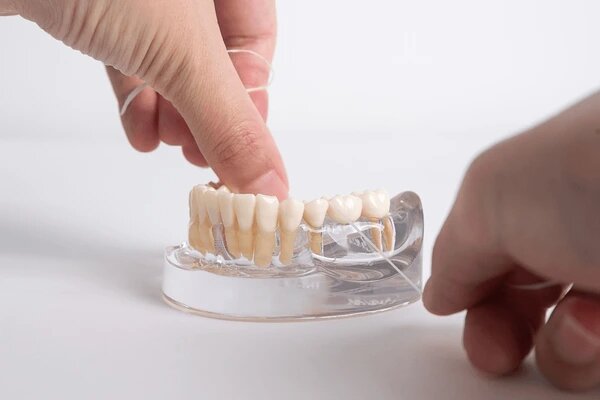
A dental bridge is designed to restore function, balance and appearance when one or more teeth are missing. Many people ask how long a dental bridge lasts, and the honest answer is that there is no fixed expiry date. The lifespan of a fixed dental bridge depends on several individual factors, including oral hygiene habits, gum health, bite forces and the condition of the supporting abutment teeth.
Understanding dental bridge durability begins with understanding how it works. A tooth supported bridge relies on neighbouring teeth, known as abutment teeth, to anchor an artificial tooth called a pontic. The bridge is typically made from materials such as porcelain fused to metal or zirconia. These materials are selected for strength and aesthetics, but their longevity still depends heavily on the environment in which they function.
What Is the Typical Lifespan of a Fixed Dental Bridge?
In many cases, a well maintained dental bridge can function effectively for ten years or longer. Some bridges may last considerably longer, while others may require earlier replacement due to complications.
It is important to recognise that longevity is influenced by several attributes:
- Material type such as porcelain fused to metal or zirconia
- Oral hygiene practices
- Presence of bruxism or teeth grinding
- Bite alignment and occlusal forces
- Gum health and bone support
- Smoking status
- Overall health
Bridge longevity is not only about the visible prosthesis. The health of the underlying abutment teeth plays a critical role. If decay develops around the margins or gum disease affects the supporting bone, the stability of the entire restoration can be compromised.
What Factors May Shorten the Life of a Dental Bridge?
Certain habits and biological factors can reduce the expected lifespan of a dental bridge.
Factors That May Influence Longevity
- Inadequate brushing and flossing technique
- Failure to clean beneath the pontic
- Untreated gum disease
- Clenching or grinding
- Irregular professional dentist examinations
- Heavy bite forces on one side
Even strong materials such as zirconia can be affected by excessive occlusal stress. Similarly, cement retention can weaken over time if subjected to repeated mechanical strain.
| Factor | Potential Impact | Preventive Approach |
|---|---|---|
| Poor oral hygiene | Decay around abutment teeth | Daily brushing and interdental cleaning |
| Bruxism | Fracture or wear | Assessment for protective appliance if indicated |
| Gum disease | Bone support loss | Periodontal monitoring |
How Important Is Oral Hygiene for Bridge Maintenance?
Bridge maintenance is central to durability. Cleaning under the pontic and around abutment teeth reduces plaque accumulation and lowers the risk of inflammation. Special tools such as floss threaders, super floss or water flossers may assist in cleaning fixed prostheses.
Gum health and bridge survival are closely linked. Inflammatory conditions affecting the periodontal tissues can compromise bone support. Regular professional reviews allow early detection of problems and timely intervention.
Clinical guidance from Australian oral health authorities consistently emphasises that prosthetic restorations require ongoing maintenance to support long term function. Patients who attend routine examinations and maintain consistent oral hygiene often experience improved bridge longevity.
What Signs Suggest a Bridge May Need Review?
It is advisable to seek assessment if you notice:
- Persistent discomfort around the bridge
- Sensitivity in abutment teeth
- Food trapping under the pontic
- Visible gaps at the margins
- Changes in bite
Early evaluation can identify whether the issue relates to cement retention, gum inflammation or wear.
Why Choose a Team That Focuses on Long Term Stability?
At Ferny Hills Dental, we approach dental bridges with a focus on function, balance and long term maintenance. Every fixed dental bridge is assessed within the context of bite alignment, gum health and patient habits such as grinding. Ongoing reviews are designed to monitor bridge durability and the health of supporting teeth. If concerns arise, early intervention helps protect the underlying structure and maintain comfort.
Important FAQ’s
Q1. Can a dental bridge last more than ten years?
Some bridges function well beyond ten years when properly maintained and supported by healthy abutment teeth.
Q2. Does grinding affect dental bridges?
Bruxism can increase stress on both the bridge and supporting teeth, potentially shortening longevity.
Q3. Can decay occur under a bridge?
Decay can develop at the margins of abutment teeth if plaque is not adequately removed.
Q4. Is a zirconia bridge stronger than porcelain fused to metal?
Both materials are durable. Suitability depends on individual clinical factors and bite forces.
Q5. How often should a bridge be checked?
Regular examinations allow monitoring of gum health, cement integrity and bite stability.
Q6. What happens if a bridge fails?
Management depends on the cause and may involve repair, replacement or alternative restorative options.
References
- Australian Dental Association https://www.ada.org.au
- Australian Government Department of Health and Aged Care Oral Health Information https://www.health.gov.au
- Queensland Health Oral Health Services https://www.health.qld.gov.au/oralhealth
Disclaimer
All dental procedures involve potential risks and benefits. The information provided in this blog is general in nature and should not be taken as medical advice. We recommend that you seek guidance from a suitably qualified health professional before making decisions about your oral health. Where appropriate, you may also wish to consider obtaining a second opinion.
Any images or videos featured are shared with the informed consent of our patients and are intended for educational purposes only. They are not a guarantee of results, as every patient is unique. Treatment outcomes — including recovery, potential complications, and effectiveness — can vary from person to person.


