

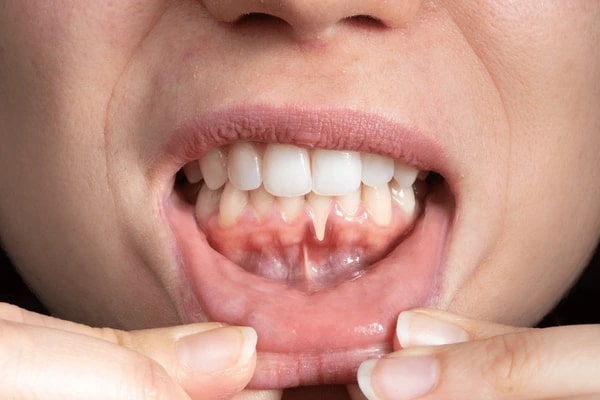
You might first notice it when brushing your teeth. Your gums seem to be sitting slightly lower than before. Perhaps your teeth look longer, or you feel a sudden sharp sensitivity when drinking something cold. Receding gums can develop gradually and often without pain in the early stages, which is why they are sometimes overlooked.
Gingival recession refers to the gradual movement of the gum margin away from the tooth surface, exposing more of the root. While it may seem like a minor cosmetic issue at first, exposed tooth roots can increase sensitivity and raise the risk of decay. Understanding what causes receding gums allows you to take informed steps to protect your periodontal tissues and long term oral health.
How Does Gum Recession Actually Develop?
Healthy gum tissue fits snugly around each tooth, forming a protective barrier. When that barrier shifts, the root surface may become exposed. Unlike enamel, root surfaces are covered in dentine and cementum, which are more vulnerable to wear and decay.
Several biological and mechanical factors may contribute to gingival recession, including:
- Periodontal inflammation
- Plaque biofilm accumulation
- Calculus deposits
- Aggressive brushing technique
- Occlusal stress from grinding
- Thin gum biotype
- Orthodontic movement
- Smoking
- Age related tissue changes
Gum disease progression remains one of the most common contributing factors. When plaque accumulates along the gum line, it can trigger inflammation. If untreated, this inflammation may result in periodontal tissue loss and bone reduction.
Australian oral health authorities consistently emphasise that plaque control is central to maintaining periodontal stability and reducing long term complications.
Can Brushing Too Hard Really Cause Receding Gums?
Yes, mechanical trauma can play a role. Using a hard bristled brush or brushing with excessive pressure may gradually wear away the gum margin. This is particularly relevant in individuals with a thin gum biotype, where the tissue may be more susceptible to mechanical damage.
Adopting a gentle brushing technique with a soft bristled brush can reduce mechanical trauma while still effectively removing plaque.
How Does Gum Disease Contribute to Tissue Loss?
Gum disease begins with inflammation known as gingivitis. If plaque biofilm is not adequately removed, the inflammation can extend deeper into the supporting tissues, leading to periodontal breakdown.
| Cause | Mechanism | Preventive Focus |
|---|---|---|
| Gum disease | Inflammatory tissue destruction | Professional periodontal care |
| Aggressive brushing | Mechanical trauma to gum margin | Technique review and soft brush |
| Grinding | Excessive occlusal stress | Assessment for protective appliance if indicated |
When bone support is reduced, the gum margin may shift in response, resulting in visible recession. Early identification and management of periodontal inflammation are important to maintain stability.
Does Teeth Grinding Affect Gum Position?
Teeth grinding, also known as bruxism, can create excessive occlusal stress. Repeated mechanical loading may contribute to minor tooth movement or stress at the gum margin. Over time, this can influence gingival position in susceptible individuals.
Assessment of bite alignment and identification of grinding habits can form part of a comprehensive approach to managing receding gums.
Are Genetics and Systemic Factors Involved?
Genetic predisposition can influence gum thickness and resilience. Individuals with naturally thinner periodontal tissues may be more prone to visible recession. Systemic health factors and smoking may also affect tissue healing and inflammatory response.
Smoking has been associated with altered blood flow to the gums and increased periodontal breakdown. Addressing modifiable risk factors can support overall gum health.
What Are the Early Signs of Receding Gums?
Common early indicators include:
- Teeth appearing longer
- Sensitivity to cold or sweet foods
- Notching near the gum line
- Visible root surfaces
- Mild gum inflammation
Because recession can progress gradually, regular professional examinations are important. Early intervention may help stabilise tissues and reduce further loss.
How Can You Protect Your Gum Health?
Protective measures may include:
- Effective plaque control through brushing and interdental cleaning
- Gentle brushing technique
- Regular professional periodontal review
- Monitoring bite alignment
- Addressing grinding habits if present
Professional dentist assessment helps determine whether the recession is stable or progressive and whether intervention is appropriate.
Why Seek Personalised Gum Health Guidance?
At Ferny Hills Dental, gum health is approached with careful attention to both prevention and early detection. We assess periodontal tissues, plaque biofilm levels, gum contour and occlusal stress as part of comprehensive examinations. If gingival recession is identified, we focus on stabilising contributing factors and supporting long term periodontal health. Early attention to receding gums can help maintain comfort, protect exposed roots and preserve structural support.
Important FAQ’s
Q1. Can receding gums grow back naturally?
Gum tissue does not typically regenerate on its own once recession has occurred. Professional assessment is recommended.
Q2. Is gum recession always caused by gum disease?
Gum disease is a common factor, but mechanical trauma, grinding and genetic predisposition may also contribute.
Q3. Are exposed roots more sensitive?
Yes, exposed dentine can increase sensitivity to temperature and certain foods.
Q4. Can orthodontic movement cause recession?
Tooth movement may influence gum position in some individuals, particularly if tissue thickness is limited.
Q5. How can I tell if my brushing technique is too aggressive?
Signs may include notching near the gum line or persistent gum irritation. A professional review can assess technique.
Q6. When should I seek advice about receding gums?
If you notice increasing tooth length, sensitivity or visible root surfaces, an assessment is advisable.
References
- Australian Dental Association
https://www.ada.org.au - Australian Government Department of Health and Aged Care Oral Health Information
https://www.health.gov.au - Queensland Health Oral Health Services
https://www.health.qld.gov.au/oralhealth
Disclaimer
All dental procedures involve potential risks and benefits. The information provided in this blog is general in nature and should not be taken as medical advice. We recommend that you seek guidance from a suitably qualified health professional before making decisions about your oral health. Where appropriate, you may also wish to consider obtaining a second opinion.
Any images or videos featured are shared with the informed consent of our patients and are intended for educational purposes only. They are not a guarantee of results, as every patient is unique. Treatment outcomes — including recovery, potential complications, and effectiveness — can vary from person to person.


