

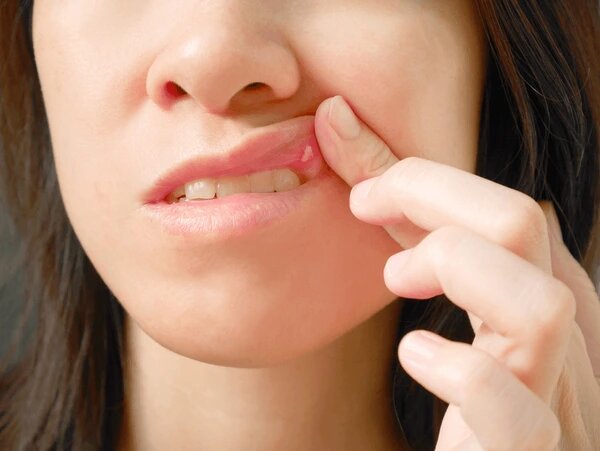
It is surprising how something so small can cause so much discomfort. A tiny white ulcer inside the mouth can make eating, drinking, and even speaking feel irritating. Canker sores, also known as aphthous ulcers, are common minor oral lesions that affect the soft tissues inside the mouth.
Although they are not contagious and usually resolve on their own, the pain associated with oral ulcer irritation can interfere with daily routines. Understanding what causes them and how to manage discomfort safely helps reduce frustration while healing takes place.
What Are Canker Sores and Why Do They Appear?
Canker sores are small inflammatory oral conditions that develop on the oral mucosa. They typically appear as white or yellow ulcers with a red border and can occur on:
- The inside of the cheeks
- The tongue
- The soft palate
- The inside of the lips
Recurrent aphthous stomatitis refers to repeated episodes of these mouth ulcers.
Several factors may contribute to their development:
- Soft tissue irritation from accidental biting
- Oral trauma from dental appliances
- Stress related mouth ulcers
- Immune response changes
- Hormonal fluctuations
- Acidic food irritation
- Nutritional deficiencies
- Underlying systemic health considerations
Key attributes assessed during evaluation include:
- Ulcer size
- Frequency of recurrence
- Location in mouth
- Pain severity
- Healing duration
- Trigger factors
- Trauma history
Identifying patterns helps guide management.
What Does Canker Sore Pain Feel Like?
Pain from aphthous ulcers can range from mild to moderate discomfort. Symptoms often include:
- Burning sensation before the ulcer appears
- Sharp pain when eating acidic or spicy foods
- Tenderness during brushing
- Irritation when speaking
Unlike cold sores, canker sores are confined to the inside of the mouth and do not typically involve blistering.
The pain is caused by inflammation of the soft tissue and exposure of sensitive nerve endings within the ulcer.
How Long Do Canker Sores Last?
Healing duration varies depending on the type of ulcer.
Canker Sores Overview
| Feature | Minor Aphthous Ulcer | Major Aphthous Ulcer | When To Seek Care |
|---|---|---|---|
| Size | Small, shallow | Larger, deeper | If larger than 1 cm |
| Duration | 7 to 14 days | Several weeks | If lasting over 2 weeks |
| Pain Level | Mild to moderate | Moderate to severe | If interfering with eating or speaking |
| Scarring | No | Possible | Recurrent or worsening pattern |
Minor aphthous ulcers are the most common and typically heal within two weeks. Major ulcers may persist longer and occasionally leave scarring.
If an ulcer does not improve within two weeks, local dentist assessment is recommended.
What Can Help Reduce Canker Sore Discomfort?
Management focuses on reducing irritation and supporting oral mucosa healing.
Supportive measures include:
- Avoid spicy or acidic foods
- Maintain gentle oral hygiene
- Use non irritating toothpaste
- Apply pharmacist recommended topical gels
- Use mild antimicrobial mouth rinses if advised
- Seek assessment if ulcers persist beyond two weeks
Avoiding further trauma to the area allows healing to progress naturally.
It is important to note that while saltwater rinses are commonly discussed, they should only be used if tolerated and advised by a professional, as some individuals may experience increased irritation.
Topical oral gel products designed for oral ulcer pain can create a protective barrier over the lesion and reduce sensitivity during eating.
Why Do Some People Experience Recurrent Ulcers?
Recurrent aphthous stomatitis can be linked to:
- Stress related immune changes
- Hormonal variations
- Nutritional deficiencies
- Family history
- Underlying inflammatory conditions
In some cases, repeated soft tissue irritation from orthodontic appliances or rough dental surfaces can contribute.
A clinical assessment may evaluate:
- Frequency of recurrence
- Pattern of ulcer development
- Possible nutritional factors
- Signs of broader systemic health concerns
Persistent or severe ulcers may require further investigation to rule out underlying conditions.
Can Diet Influence Mouth Ulcers?
Certain foods may aggravate existing ulcers, including:
- Citrus fruits
- Vinegar based products
- Spicy meals
- Very salty foods
Acidic food irritation can intensify discomfort but does not directly cause the ulcer in every case.
Maintaining a balanced diet supports overall immune response and oral mucosa healing.
When Should You Seek Professional Advice?
Seek professional assessment if you experience:
- Ulcers lasting longer than two weeks
- Increasing size or number of lesions
- Severe pain interfering with eating
- Ulcers accompanied by fever
- Recurrent episodes occurring frequently
While most canker sores are minor oral lesions, persistent ulcers may require investigation.
How Can You Protect the Oral Mucosa During Healing?
Practical steps to protect the area include:
- Using a soft bristled toothbrush
- Avoiding aggressive brushing
- Choosing non irritating toothpaste
- Minimising further trauma to the site
Maintaining oral hygiene is important, as plaque accumulation can delay healing.
Balanced care reduces secondary infection risk and promotes recovery.
Where Can You Seek Support for Recurrent Ulcers?
At Ferny Hills Dental, evaluation of aphthous ulcers involves careful review of ulcer size, recurrence frequency, and possible contributing factors. The team assesses soft tissue irritation, trauma history, and overall oral health to determine appropriate guidance.
Patients experiencing recurrent aphthous stomatitis or persistent mouth ulcers are supported with clear explanations about possible triggers and management pathways. If ulcers interfere with eating, speaking, or daily comfort, professional evaluation provides reassurance and direction.
By addressing both symptoms and potential underlying contributors, the focus remains on supporting long term oral mucosa health and reducing disruption to everyday life.
Important FAQs
Q1. Are canker sores contagious?
No. Aphthous ulcers occur inside the mouth and are not contagious.
Q2. How can I tell if it is a canker sore or a cold sore?
Canker sores appear inside the mouth. Cold sores usually occur on the lips or outside the mouth.
Q3. Should I stop brushing if I have an ulcer?
No. Maintain gentle oral hygiene with a soft brush to prevent plaque buildup.
Q4. Why do ulcers sometimes return in the same spot?
Repeated soft tissue irritation or immune triggers may contribute to recurrence.
Q5. Can stress trigger mouth ulcers?
Stress related immune changes have been associated with recurrent aphthous stomatitis in some individuals.
Q6. When should I be concerned about a mouth ulcer?
If it lasts longer than two weeks, becomes larger, or is accompanied by other symptoms, professional assessment is recommended.
References
- Australian Dental Association
https://www.ada.org.au - Healthdirect Australia
https://www.healthdirect.gov.au/mouth-ulcers - Better Health Channel Victoria
https://www.betterhealth.vic.gov.au/health/conditionsandtreatments/mouth-ulcers - Australian Institute of Health and Welfare
https://www.aihw.gov.au
Disclaimer
All dental procedures involve potential risks and benefits. The information provided in this blog is general in nature and should not be taken as medical advice. We recommend that you seek guidance from a suitably qualified health professional before making decisions about your oral health. Where appropriate, you may also wish to consider obtaining a second opinion.
Any images or videos featured are shared with the informed consent of our patients and are intended for educational purposes only. They are not a guarantee of results, as every patient is unique. Treatment outcomes — including recovery, potential complications, and effectiveness — can vary from person to person.


