

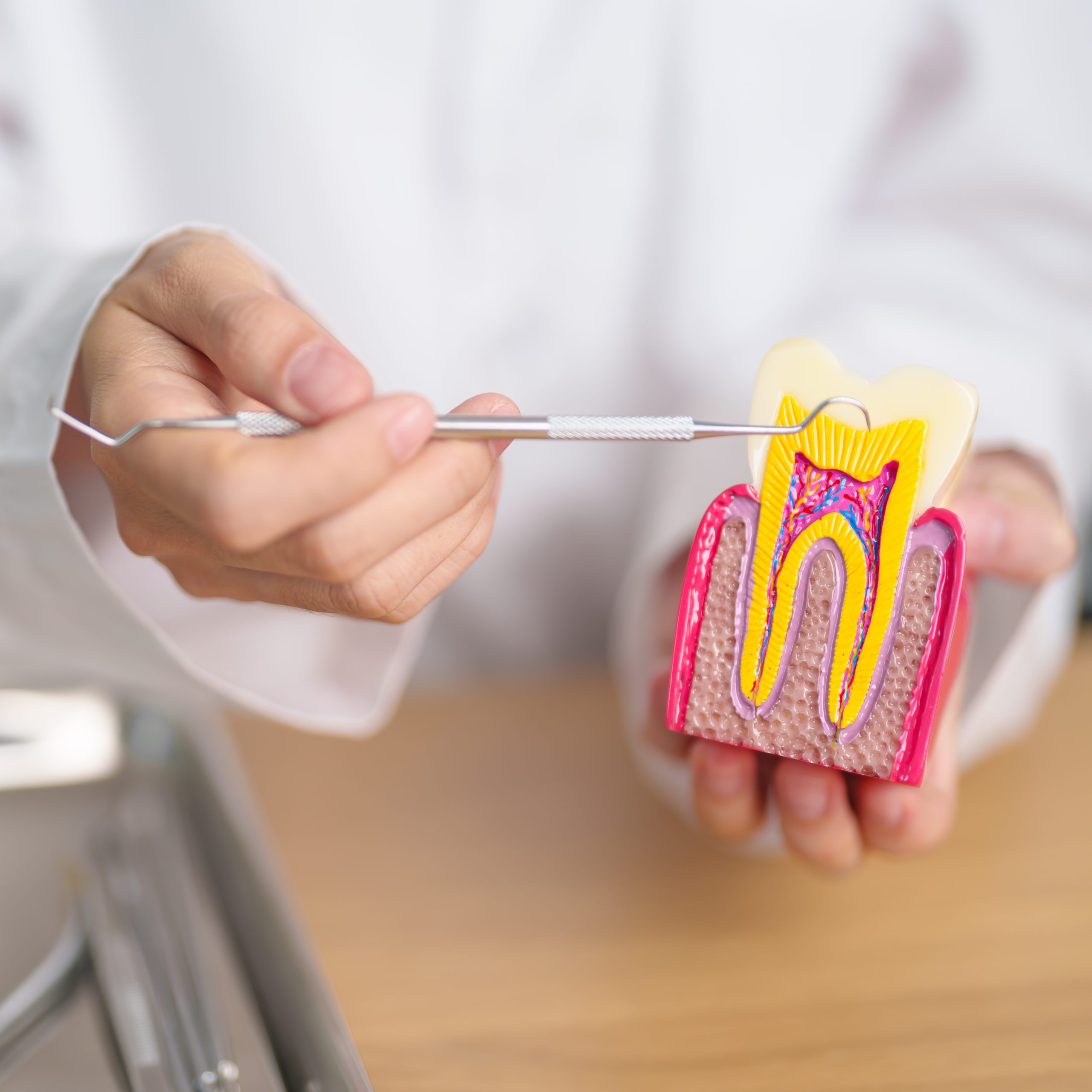
When a tooth becomes infected or inflamed from the inside, simply placing a filling may not be enough. Deep within every tooth is a soft tissue called the dental pulp, and when this tissue becomes damaged, it can cause pain, infection, and eventual tooth loss if left untreated. That’s where root canal treatment—also known as endodontic therapy—plays a vital role in saving the natural tooth and restoring function.
This procedure targets the source of internal damage by removing the infected pulp, cleaning and shaping the root canals, and sealing the space to prevent reinfection. While often misunderstood, modern root canal treatment is a precise and effective way to relieve pain and protect your oral health.
What Are the Common Reasons for Needing Root Canal Treatment?
The root canal system can become infected or inflamed due to several causes. When the pulp inside the tooth is compromised, the tooth cannot heal on its own. Ignoring symptoms can lead to abscess formation and tooth loss.
Common reasons include:
- Deep decay or extensive cavities
- Cracked or fractured teeth
- Trauma to the tooth (even without visible damage)
- Repeated dental procedures on the same tooth
- Worn-out or large restorations close to the pulp
- Severe gum disease reaching the root tip
What Are the Signs You Might Need a Root Canal?
Recognising symptoms early can make treatment simpler and more successful.
Warning signs include:
- Throbbing toothache that doesn’t subside
- Prolonged sensitivity to hot or cold
- Pain when biting or touching the tooth
- Swelling around the gums or face
- Discolouration or darkening of the tooth
- Tenderness or small pimple-like bumps near the tooth
These symptoms can indicate inflammation or infection of the pulp, making a root canal necessary to save the tooth.
How Is a Root Canal Treatment Performed?
The procedure is performed in stages to ensure complete removal of infection and to restore the tooth for long-term health.
Typical Steps Include:
- Diagnosis – X-rays are used to evaluate the tooth’s condition and shape of the canals.
- Anaesthesia – Local anaesthetic is applied for comfort during the procedure.
- Access and Isolation – A rubber dam isolates the tooth, and a small opening is made to access the pulp.
- Pulp Removal – The inflamed or infected pulp tissue is carefully removed.
- Cleaning and Shaping – Special files clean and shape the canal space.
- Disinfection – The canals are irrigated with solutions to remove bacteria.
- Filling – A biocompatible material (usually gutta-percha) fills the canal.
- Sealing and Restoration – The access opening is sealed, and a crown or filling is placed to restore function and strength.
What Are the Benefits of Root Canal Treatment?
Root canal therapy offers a highly effective solution for preserving your natural tooth and eliminating pain. Some of the key benefits include:
- Preservation of the natural tooth structure
- Pain relief from infection and inflammation
- Prevention of spread of infection to surrounding areas
- Restoration of normal biting and chewing
- Improved oral health and functionality
- Aesthetic continuity with crowns that look like natural teeth
What Are the Attributes of a Tooth Requiring a Root Canal?
| Attribute | Description |
|---|---|
| Tooth condition | Severely decayed, infected, or structurally damaged |
| Pain level before treatment | Often sharp, throbbing, or lingering after temperature changes |
| Pulp condition | Infected, inflamed, or necrotic |
| Treatment aim | Save the tooth and eliminate infection |
| Post-procedure discomfort | Mild and temporary; usually manageable with over-the-counter care |
| Restoration type | Permanent crown or filling placed after canal sealing |
| Prognosis | High success rate when properly restored and maintained |
How Does Root Canal Compare to Extraction?
In many cases, saving the natural tooth is preferred over extraction. Here’s how both options compare:
Table 1: Comparison – Root Canal vs Tooth Extraction
| Aspect | Root Canal Treatment | Tooth Extraction |
|---|---|---|
| Tooth preservation | Yes | No (tooth is removed) |
| Aesthetic outcome | Maintains natural tooth appearance | May result in a visible gap if unrestored |
| Chewing function | Fully restored with a crown | May require implant or bridge |
| Healing process | Minor post-op sensitivity | Potential swelling, dry socket risk |
| Long-term benefit | Retains tooth structure and alignment | May lead to shifting of nearby teeth |
| Bone preservation | Helps preserve jawbone volume | Bone loss may occur without replacement |
What Happens After Root Canal Treatment?
Following the procedure, patients typically experience mild discomfort or sensitivity for a few days. This is a normal response and can often be managed with simple pain relief options.
A permanent crown is usually recommended to protect the tooth, especially if it was heavily filled or located in the back of the mouth where chewing forces are stronger.
Regular reviews and maintaining excellent oral hygiene are essential to ensure the longevity of the treated tooth.
Why Is Root Canal Therapy Preferable to Leaving an Infected Tooth Untreated?
If an infected pulp is not removed, the bacteria can spread beyond the root, causing:
- Bone loss around the tooth
- Facial swelling
- Formation of a dental abscess
- Severe pain and eventual tooth loss
By undergoing timely root canal treatment, these complications can often be prevented, and your tooth preserved for many more years.
Why Choose Ferny Hills Dental for Root Canal Care?
At Ferny Hills Dental, we are committed to providing precise and compassionate care tailored to your needs. Root canal treatment is a routine service in our clinic, and we use advanced diagnostic tools and techniques to ensure accuracy, comfort, and long-lasting results.
From the initial consultation to post-treatment restoration, our dentist team prioritises your comfort and oral health every step of the way. If you’re experiencing tooth pain, lingering sensitivity, or have been advised to consider root canal therapy, Ferny Hills Dental offers comprehensive care that focuses on preserving your natural smile while relieving discomfort.
Important FAQs
- Is a root canal treatment painful?
Modern root canal procedures are performed under local anaesthetic and are usually no more uncomfortable than a filling. Most patients report pain relief shortly after the treatment begins. - How long does a root canal procedure take?
The procedure may be completed in one or two appointments, depending on the tooth’s condition and complexity. - Do I always need a crown after a root canal?
In many cases, especially for molars and premolars, a crown is recommended to protect the tooth from fracture and restore full function. - Can a root canal fail or need re-treatment?
Although root canal treatment has a high success rate, re-treatment may be needed if infection recurs or complications arise. - Will I feel pain after the procedure?
Mild discomfort is normal for a few days and can usually be managed with over-the-counter medication. If severe pain occurs, you should contact your dentist. - Is there an alternative to root canal therapy?
The main alternative is extraction. However, removing a tooth can affect chewing, appearance, and may require a prosthetic replacement such as an implant or bridge.
Research and References
- Australian Dental Association – Understanding Root Canal Treatment
https://www.ada.org.au/Your-Dental-Health/Older-Adults-64/Root-canal-treatment - Healthdirect Australia – Root Canal Therapy Explained
https://www.healthdirect.gov.au/root-canal-treatment - Australian Dental Council – Clinical Guidelines for Endodontic Care
https://adc.org.au/
Disclaimer
All dental procedures involve potential risks and benefits. The information provided in this blog is general in nature and should not be taken as medical advice. We recommend that you seek guidance from a suitably qualified health professional before making decisions about your oral health. Where appropriate, you may also wish to consider obtaining a second opinion.
Any images or videos featured are shared with the informed consent of our patients and are intended for educational purposes only. They are not a guarantee of results, as every patient is unique. Treatment outcomes — including recovery, potential complications, and effectiveness — can vary from person to person.


