

A simple visit to the dentist for a filling might seem like a minor event—but what you do afterward can have a lasting impact on your comfort and oral health. One of the most frequently asked questions following a dental appointment is: “How long do I need to wait before I can eat after a composite filling?” Whether you’ve just had one or are preparing for treatment, understanding the post-procedure care is vital to protecting your restoration and your teeth.
What Is a Composite Filling and Why Does Eating Timing Matter?
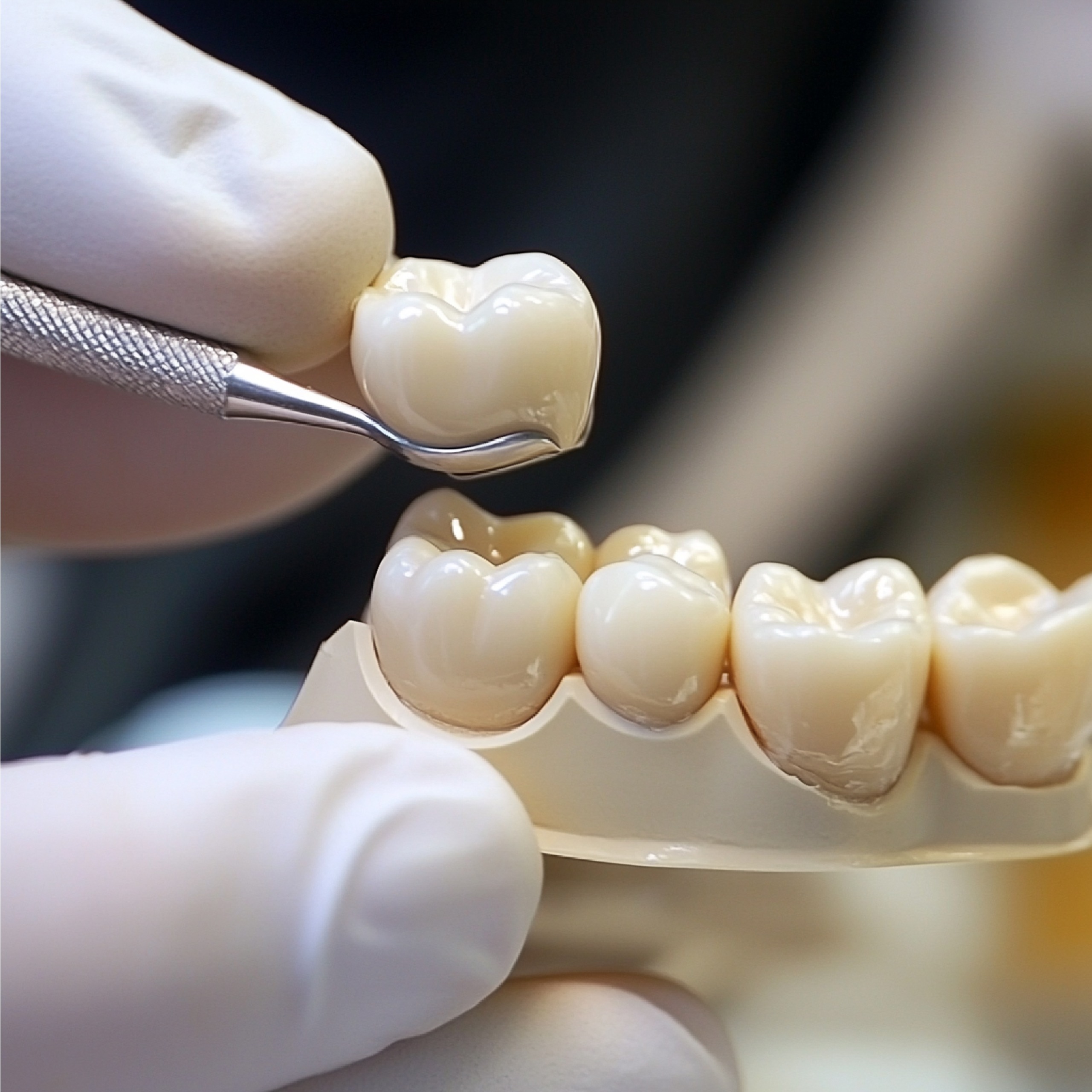
Composite resin fillings—commonly referred to as “white fillings”—are widely used for their natural appearance and strength. Made from a blend of plastic and fine glass particles, these fillings are bonded directly to the tooth structure and set using a curing light.
While composite fillings harden immediately, the timing of when to eat is still influenced by a few factors:
- Residual numbness from local anaesthetic
- Tooth sensitivity after the procedure
- Pressure distribution during chewing
- The area and number of fillings completed
Waiting the right amount of time to eat helps reduce the risk of biting your cheek or tongue and avoids unnecessary stress on the newly placed filling.
How Soon Can You Eat After a Composite Filling?
Although the material itself sets quickly, eating should still be approached with caution.
Typical Eating Timeline Post-Filling
| Time After Filling | Eating Recommendations |
|---|---|
| 0–1 Hour | Wait due to numbness; avoid chewing to prevent accidental biting |
| 1–3 Hours | Numbness may persist; continue to avoid chewing, especially on the treated side |
| 3–6 Hours | If numbness has subsided, start with soft, room-temperature foods |
| 6+ Hours | You can return to a normal diet if there’s no discomfort |
| First 24–48 Hours | Monitor for bite issues or lingering sensitivity; avoid very hard or sticky food |
What Are the Risks of Eating Too Soon?
Even though composite fillings are durable, your mouth may still be adjusting post-treatment. Eating too soon can pose risks such as:
- Biting the inside of your mouth due to numbness
- Causing discomfort due to sensitivity or pressure
- Dislodging the filling if you eat excessively sticky foods
- Aggravating bite misalignment if the filling is slightly too high
If you notice prolonged discomfort or sharp sensitivity when eating, it’s important to contact your dental provider for an adjustment.
What Foods Should You Eat or Avoid After a Filling?
Choosing the right foods after a composite filling is essential in the short-term recovery phase.
Best Foods to Eat
- Scrambled eggs
- Mashed vegetables
- Smooth soups (not too hot)
- Yoghurt and cottage cheese
- Cooked pasta or rice
Foods to Avoid Temporarily
- Nuts, hard bread, or popcorn
- Sticky lollies or toffees
- Chewing gum
- Ice cubes or hard sweets
- Hot beverages if sensitivity exists
What Should You Expect in Terms of Sensitivity?
Mild sensitivity to pressure, temperature, or sweet foods is common and typically subsides within a few days. This is part of the tooth adjusting to the new filling and the minor trauma from the procedure.
You can support recovery by:
- Chewing on the opposite side for a day or two
- Avoiding extremely hot or cold foods
- Using toothpaste formulated for sensitive teeth if recommended
Why Is It Important to Let Numbness Wear Off Before Eating?
Chewing while your mouth is numb from anaesthetic increases the risk of injury. You may accidentally bite your tongue, cheek, or lip without realising it. Additionally, you may not chew properly, which could put extra pressure on the treated area.
Waiting until full sensation returns ensures you can feel the food and the movements of your jaw properly, reducing the chance of accidental injury or putting strain on the new filling.
Could Your Bite Feel “Off” After the Filling?
Yes, some patients experience a “high bite” sensation where the filling may interfere slightly with normal jaw closure. If this happens:
- Avoid chewing on that side
- Monitor if it persists beyond 24–48 hours
- Contact your dentist for a bite adjustment if discomfort continues
When Should You Resume Brushing and Flossing?
You can gently resume brushing and flossing the same day, ideally before bedtime. Just be cautious not to apply excessive pressure to the filled tooth. Practicing proper oral hygiene is critical to the long-term success of any restoration.
What Are the Signs That Something Might Be Wrong?
While most composite fillings settle without issue, keep an eye out for:
- Sharp or shooting pain when chewing
- Severe sensitivity that doesn’t improve
- Cracking or visible damage to the filling
- Swelling or discomfort in the gum near the treated tooth
If any of these symptoms occur, it’s best to seek professional advice promptly.
Why Choose a Local Dental Team You Can Trust?
Knowing what to do after a composite filling is just one piece of the puzzle. The skill and care of your dental team play a huge role in your overall experience and recovery. At Ferny Hills Dental, we take the time to educate our patients, personalise aftercare advice, and provide thorough follow-up for every procedure. Our modern techniques, compassionate approach, and community-focused ethos ensure that every visit is about more than just treatment—it’s about long-term wellness. Whether it’s your first filling or a routine review, Ferny Hills Dental is committed to helping you feel informed, supported, and confident in your oral health journey.
Important FAQ’s
Q1: Can I drink water after a composite filling?
Yes, you can drink water immediately, but avoid extremely cold or hot water if you experience sensitivity.
Q2: Will I always feel sensitivity after a filling?
Not always. While it’s common for some people to feel mild sensitivity, others may not experience any discomfort at all.
Q3: How long does a composite filling last?
With proper care and maintenance, composite fillings can last many years. Regular check-ups help ensure they remain in good condition.
Q4: Is it normal for my jaw to feel sore after the procedure?
Yes, especially if your mouth was open for an extended period. This usually subsides within a day or two.
Q5: Can I eat normally the next day?
Yes, most people can resume their normal diet within 24 hours if they aren’t experiencing discomfort or sensitivity.
Q6: What should I do if my filling feels rough or high?
Contact your dentist. A quick adjustment may be required to refine the bite and restore comfort.
References
- Australian Dental Association. (n.d.). “Fillings: What You Need to Know.” Retrieved from: https://www.ada.org.au/Dental-Health-Week/Resources/Fillings
- Healthdirect Australia. (n.d.). “Dental Fillings.” Retrieved from: https://www.healthdirect.gov.au/dental-fillings
- Better Health Channel. (n.d.). “Dental Fillings – Composite Fillings.” Retrieved from: https://www.betterhealth.vic.gov.au/health/conditionsandtreatments/fillings
Disclaimer
All dental procedures involve potential risks and benefits. The information provided in this blog is general in nature and should not be taken as medical advice. We recommend that you seek guidance from a suitably qualified health professional before making decisions about your oral health. Where appropriate, you may also wish to consider obtaining a second opinion.
Any images or videos featured are shared with the informed consent of our patients and are intended for educational purposes only. They are not a guarantee of results, as every patient is unique. Treatment outcomes — including recovery, potential complications, and effectiveness — can vary from person to person.


